Saturday, October 8, 2022

MONKFISH MASQUERADES AS LOBSTER

 I couldn’t resist the oferta—special price—for monkfish, so I bought a small one.  More than half the weight of monkfish (anglerfish in the U.K.; rape in Spanish) is the enormous head. The choice meat is the tail, which has only a center spine, easily removed, providing two fillets. The head and trimming are terrific for stock.


Monkfish is my choice for cutting into chunks for kebabs and for cooking in seafood stews and soups, because the firm flesh doesn’t disintegrate. Today, though, I’m making a cold dish, fake lobster, or rape alangostado.

Duplicity: not lobster, but a fillet of monkfish, rubbed with pimentón. Serve with a spoonful of (fake) caviar and real bubbly for an elegant dish. The sauce pictured is salsa rosa, pink mayonnaise with Sherry.


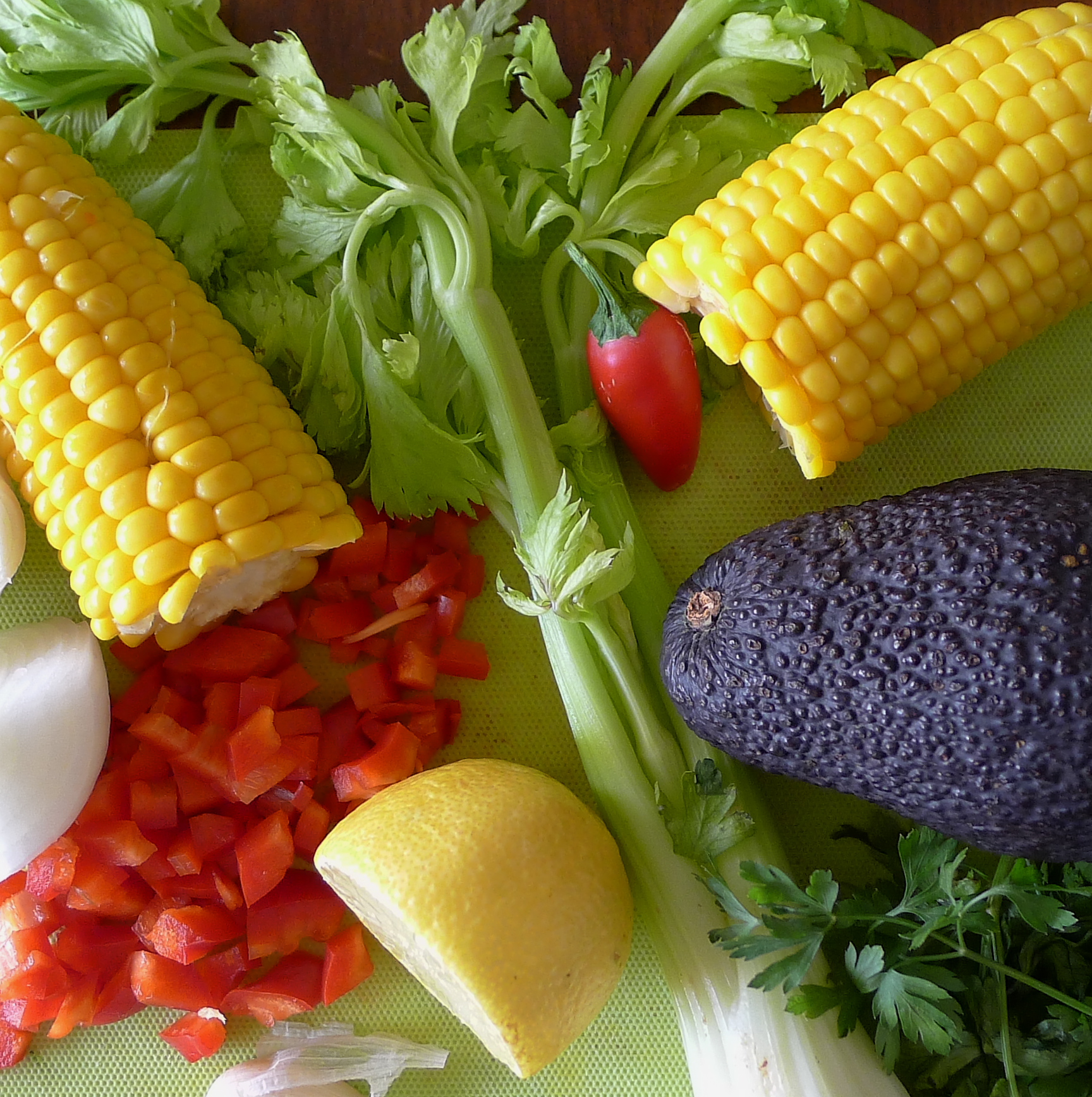
Medallions of fake lobster--monkfish--are served with a relish of corn and avocado. Pile this on a bun for a "lobster" roll. 


Pimentón adds the lobster coloring.

Monkfish has sweet-tasting, slightly chewy flesh, not unlike lobster, for which it can be substituted in any favorite recipe. Poaching the monkfish in a well-seasoned stock made with shells of lobster or shrimp adds true shellfish aroma. And, a little trompe l'oeil never hurts: rub the fillets with pimentón to mimic the reddish color of lobster meat.

Note: I wrapped one fillet with pimentón rub before cooking. The second fillet I poached in stock, then rubbed with pimentón and wrapped in plastic to chill. Results were about the same, so use whichever procedure you like.

For the deluxe treatment, serve the monkfish medallions with a spoonful of caviar (or fake it with lumpfish roe) and serve with Champagne (cava). Or, pile them in a bun and call it a “lobster” roll. Whether you’re faking it or not, this is a fine way to cook monkfish.

Use ordinary sweet pimentón (paprika), not smoked, for the rub. You can add a pinch of herbs if you like, but don’t overpower the natural sweet taste of the fish. The fish tails are rolled in plastic wrap (cling film) and poached. 

If you are starting with a whole monkfish, you will need a fish of about 2 1/2 pounds to provide 1 pound of boneless tail meat.

Use either fish or shellfish stock, if you have it, or salted water with a bay leaf and celery. After all, the fish encased in plastic is not benefitting much from the flavor-adding stock. Do save (freeze) the stock for soup another day.  If you are making stock with the monkfish head and trimmings, see the recipe here.

Unwrap poached fish and slice into medallions.

Use a shallow pan or deep skillet large enough to hold the fillets in one layer. Use enough stock/water to cover them. Take care not to overcook the fish. Keep the poaching liquid at a bare simmer. My small (4-ounce) fillets were done in 4 minutes. Figure 8 to 10 minutes for fillets weighing 8 ounces each. 

Drain the poached fish well, but don’t unwrap it. Chill at least 3 hours and up to 24 hours. Slice crosswise into medallions or shred the meat.


Monkfish “Lobster”
Rape Alangostado

To serve 4

1 pound boneless monkfish (2 [8-ounce] fillets)
2 teaspoons pimentón (sweet paprika, not smoked)
2 teaspoons water
¼ teaspoon salt
2 teaspoons olive oil
4-6 cups fish stock 
Optional accompaniments to the fake lobster:
Shredded lettuce
Cherry tomatoes
Strips of seaweed 
“Caviar” (salmon or lumpfish roe)
Salsa rosa, tartare sauce or mayonnaise
Drawn butter
Avocado-corn relish (recipe follows)

Remove and discard any skin or membrane from the fillets.

In a small bowl, combine the pimentón and water to make a paste. Stir in the salt and oil. Spread this mixture on all sides of the monkfish fillets. Place each fillet on a sheet of plastic wrap. Roll it up tightly and twist the ends and tie them with kitchen twine, like a sausage. 

Place the stock in a shallow pan or deep skillet large enough to hold the two fillets in one layer. Bring it to a full boil, then lower heat so the stock is barely simmering. Place the wrapped fillets into the stock and cover the pan. Poach the fish until cooked through, about 8 minutes for fillets that are about 8 ounces each. 

Remove the fillets from the pan and drain well. Do not unwrap them. Once cooled, refrigerate the fish until chilled, 3 hours or up to 24 hours. 

Unwrap the fillets and drain off any liquid. Use a sharp knife to cut them crosswise into medallions. Arrange the medallions on plates with lettuce and preferred garnishes or sauce. 


Avocado-Corn Relish
Picadillo de Maiz y Aguacate


½ cup diced celery
¼ cup diced red bell pepper
½ cup corn kernels
¼ cup chopped scallions
Fresh red chile, minced (optional)
1 clove garlic, minced
1 tablespoon chopped parsley
3 tablespoons lemon juice
3 tablespoons extra virgin olive oil
½ teaspoon salt

Combine the celery, pepper, corn, scallions, chile, if using, garlic and parsley in a bowl. Stir in the lemon juice and oil. Season to taste with salt. 

Serve the relish immediately or refrigerate, covered, up to 2 days.


Sauces to accompany lobster, fake or not: 


More recipes with monkfish:


Saturday, October 1, 2022

LUSCIOUS MANGO TART


Mangos grown in Málaga, Osteen variety, are in season now.

My little mango tree again produced a single fruit. It was the best mango I’ve ever eaten, but it was soon gone. Happily, Málaga mangos are in season. I bought locally-grown ones from the couple who has a clothing shop that I pass on the way to the market. So, for a few weeks, I’m rolling in mangos. Besides breakfast, maybe a mango tart?


Luscious. no-bake mango tart has cuajada, cream cheese and whipped cream and is set with gelatin. An easy crumb crust doesn't need baking either. 


Diced fresh mango can be scattered on top of the tart before chilling or served alongside. Alternatively, cook the mango with sugar and ginger and spoon the fruit and syrup over the slices when serving.


Whipped cream makes a very rich mango mousse, but low-fat products can be used instead.


Option: instead of filling a tart shell with the mousse, spoon it into dessert coupes. They can be served chilled or frozen.


Mix and match the dairy components of this tart. At the bottom left are small cartons, of cuajada, unsweetened milk custard. Clockwise, above, is mascarpone, a cream cheese that can be substituted for the "original" cream cheese at the bottom. "Estilo griego" is thick Greek-style yogurt, much tangier than cuajada. On the upper right is "queso fresco batido," a no-fat, whipped fresh cheese, somewhat like cottage cheese in taste. On the right is "nata para montar," whipping cream. In the center is no-fat plain yogurt. Other ingredients, not shown, that could be used to make the mousse are requesón, which is similar to ricotta, and cottage cheese.

This week someone brought a lovely no-bake cheesecake with a fruit topping to a friend’s birthday party. The cheesecake wasn’t set with gelatin, but with cuajada. I was intrigued.

Cuajada, unmolded.

Cuajada is a sort of “custard” with no eggs. Cuajo, an enzyme (rennet or junket), sets the custard. Cuajada is, basically, the first step in cheese making. But, instead of cutting the curds and draining off the whey, the thickened milk is poured into cups and allowed to cuajar, set. Cuajada is served with honey, fruit and nuts, an old-fashioned traditional dessert in Euskadi (Basque Land).

In Spain, supermarkets sell packets of powdered ready-mix cuajada, similar to junket pudding mix in the U.S. This is what is used to make the no-bake cheesecake. The cuajada powder contains sugar, which I don’t use. Instead, I bought cups of prepared, ready-to-eat. unsweetened cuajada  in the dairy section. However, as the prepared cuajada was already coagulated, it wouldn’t work for setting the cheesecake. I used it as if it were yogurt or whipped cottage cheese to make a creamy, airy mango mousse with gelatin to fill the tart shell. 

You can mix and match the dairy components. Use yogurt, cottage cheese or ricotta to replace the cuajada. Use more cream cheese and less yogurt and call the tart a “cheesecake.” Use non-fat yogurt and reduced-fat sour “cream” for a less rich version. Or, up the quantity of fruit and decrease the dairy component. Total volume of ingredients, fruit plus dairy, should be about 5 ½ cups for the given amount of gelatin. 

Mangos (also figs) are so sweet that they hardly need added sugar in this dessert. Lemon juice points up their sweetness but isn’t needed to prevent oxidation, as mangos don’t darken with exposure to air. Most varieties of mango are somewhat fibrous. If you want an absolutely smooth mousse, after pureeing the fruit with the yogurt or cuajada and cream cheese, press the mixture through a sieve to remove fibrous bits. 

If you prefer a soft-set mango mousse, decrease the gelatin and place the cream in dessert cups instead of the tart shell. Serve it with a spoon. 

Use any favorite crumb crust, store bought, baked or no-bake. A 10-inch fluted flan ring with removable bottom is perfect for this tart, but it can also be made in a pie pan, springform mold or individual tart molds. (My tart, pictured, is smaller because I made the crumb crust first and then realized I had more than enough mango cream to fill it. The remainder filled four dessert cups.) Both the tart and dessert cups can be frozen. 

No-Bake Mango Tart
Tarta de Mango sin Horno

How many mangos? Depends on their size. A one-pounder will make enough chopped fruit for this recipe. Smaller ones, you'll need two or three. 

Easy way to cut a mango.
You can peel whole mangos, then slice the flesh from the flattened center pit. Or, place a whole mango upright on the cutting board and slice downwards on both sides of the pit. Instead of peeling, score the pulp with a sharp knife, then gently bend the mango half so that it opens up into segments. Cut them away from the skin.

Serves 10.

1 ½ cups chopped mango (12-14 ounces peeled and pitted)
4 tablespoons cold water
2 tablespoons unflavored gelatin
2 cups plain (unsweetened) cuajada or yogurt 
½ cup (4 ounces) cream cheese, softened
Zest of a small lemon
3 tablespoons lemon juice
½ teaspoon grated ginger
4 tablespoons sugar OR ½ teaspoon liquid stevia (optional)
1 ½ cups whipping cream, chilled
Crumb crust for a 10-inch pan (recipe follows)
Chopped fresh mango or mango in syrup, to serve

Peel and chop mangos to make 1 ½ cups. 

Place the water in a small bowl and sprinkle the gelatin into it. Allow to soak for at least 5 minutes.

Puree mango with yogurt.

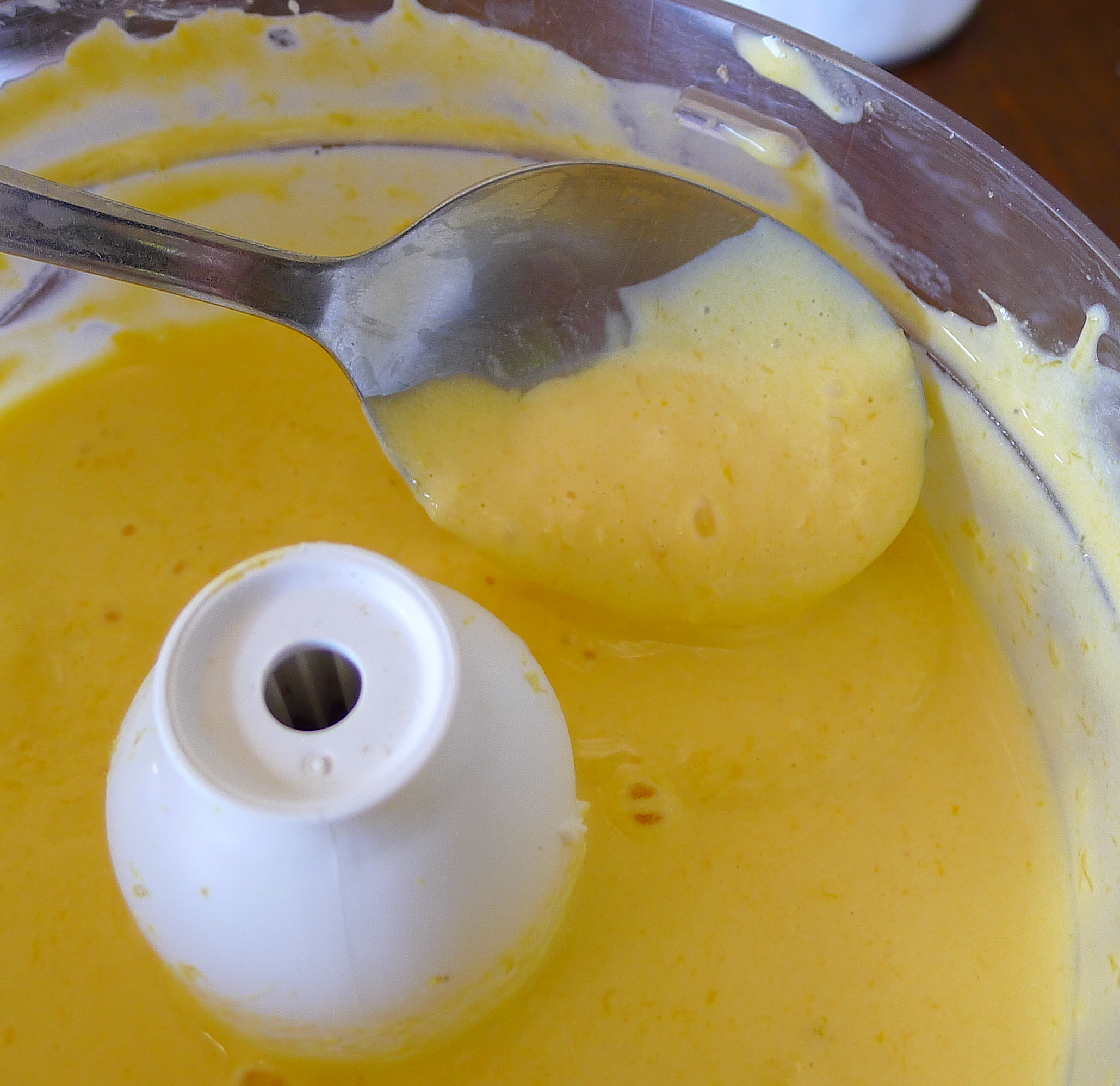
Combine the cuajada or yogurt, cream cheese and chopped mango in a food processor or blender. Process until smooth. Add the lemon zest and juice and ginger. Taste the mango cream mixture. If it needs sweetening, add 2 tablespoons of the sugar OR ¼ teaspoon of the stevia. 

Add the softened gelatin to the processor and blend again until smooth.

Place the whipping cream in a large chilled bowl and, using chilled beaters, whip it until it holds soft peaks. Beat in remaining 2 tablespoons of sugar OR ¼ teaspoon of stevia.


Fold mango into cream.

Fold the mango mixture into the whipped cream until thoroughly combined. Spread the filling evenly in the crumb crust. Chill the tart at least 8 hours before serving.

Serve slices of the tart with chopped fresh mango or mango that has been cooked in sugar syrup with a piece of ginger. 


No-Bake Crumb Crust
Pastel de Galletas sin Horno

This crumb crust is not baked. It needs to be chilled before filling with the mango mousse, so make it first. Mix melted butter with cookie crumbs and press into a tart pan. Chill the crust or, if you’re in a hurry, place the tart pan in the freezer. 

In Spain, use galletas María, plain, not-too-sweet, cookies, to make the crumbs. Graham crackers or any cookie or cracker can be used. Grind them to crumbs in a food processor or place the cookies in a plastic bag and crush them with a rolling pin. Add crushed almonds or walnuts, if you like. If using cracker crumbs, you may want to add a spoonful of sugar to the crumbs.

Flavor the crust any way you like. I added crushed aniseed, but cinnamon would also be good. 

This crust can also be baked to make a crisper shell for the tart. (See below for more crust options.)


1 ½ cups cookie or cracker crumbs
Sugar (optional)
1/8 teaspoon aniseed, crushed
3 ounces unsalted butter, melted

Combine crumbs, sugar, if using, aniseed and melted butter. Mix thoroughly. Spread the mixture in the tart pan. Using hands or a flat utensil (bottom of a cup, for instance), press the crumb mixture firmly and evenly in the pan. Refrigerate at least 2 hours so the butter solidifies.


More recipes with mangos:


More recipes for tart crusts;


Saturday, September 24, 2022

SANLÚCAR CELEBRATES: THE WORLD IS ROUND


The Juan Sebastián de Elcano sails into Sanlúcar de Barrameda as part of the V Centenary celebrations commemorating the first voyage around the world. (Photo La Voz de Cádiz)

One September day, 500 years ago, a single ship, the Nao Victoria, arrived in Sanlúcar de Barrameda (Cádiz) with 18 of the original crew that set out to sail west to the Spice Islands.


The voyage began in 1519, when five Spanish ships with 247 men on board under the command of explorer Fernando de Magallanes (aka Magellan) left Sanlúcar. Like Columbus before him, Magallanes envisioned finding a route to Asia and the East Indies by sailing west from Europe.

Magallanes never made it back. (He was killed by natives in the Philippine Islands.) Juan Sebastián Elcano, a Basque, commanded the Victoria, the only remaining ship, from the Asian ocean (named “Pacific” by the explorers), around Africa and home to Sanlúcar, arriving September 1522. The Elcano, named in his honor, is a training ship of the Spanish navy. 

Sanlúcar harbor was the setting for the 500th anniversary celebrations. The ship Elcano, under the command of reigning King Felipe VI, in white dress uniform, arrived under full sail at Sanlúcar, along with a replica of the Victoria, naval vessels and helicopters for the commemoration of the circumnavigation of the globe. 

In celebratory mode, Sanlúcar, where globalization began, was named the Capital Gastronómica de España 2022. An occasion to celebrate the food and drink of this city situated where the Guadalquivir River flows into the Atlantic Ocean. 

Sanlúcar is famous for its seafood—in particular, the langostinos de Sanlúcar, tiger shrimp; for its Manzanilla (Sherry), and for its potatoes.(See below for more recipes typical of Sanlúcar.) 

Langostinos are in short supply this season, as, apparently, global warming has affected the catch. Instead, I am celebrating Sanlúcar with a favorite Sanlúcar tapa bar specialty, tortillitas de camarones, crispy shrimp fritters.

Tortillitas de camarones are fritters made with a kind of tiny shrimp found in waters around Sanlúcar de Barrameda. 

Make the tortillitas big or small.


Manzanilla from Sanlúcar is the perfect accompaniment to these fritters. Although, a cold beer goes nicely too.

Crisp, lacy edges of the fritters.


Shrimp Fritters
Tortillitas de Camarones


Camarones are tiny shrimp, unpeeled.

Camarones are not baby shrimp, but a diminutive variety of shellfish that thrive in the estuaries around Sanlúcar. In the markets of Cádiz, you’ll find them in baskets, still jumping around like grasshoppers. They go into the batter, shells and all, giving an extra crunch to the fritters. (Camarones are also “harvested” by aquaculture.) 

The secret to these fritters is getting the batter thin enough so that it can be spread to a lacy pancake in the frying pan. Some cooks use agua con gas (seltzer) instead of water to make the fritters lacy. Chickpea flour adds flavor and texture but can be substituted for all wheat flour, if preferred. 

Olive oil for frying is essential. It needs to be about 1/2-inch deep in the skillet so the fritters can float on the oil.

If these tiny shrimp are not available, make the fritters with peeled shrimp that have been coarsely chopped. Optional additions to the fritter batter: chopped seaweed, corn kernels, red pepper flakes. 

Makes 10-12 (6-inch) fritters.

6 ounces camarones (tiny shrimp)
1 cup flour
1 cup chickpea flour
1 ¼ teaspoon salt
1 ½+ cups ice water
¼ cup finely chopped parsley
1/3 cup finely chopped scallions or onion
½ ounce seaweed such as wakame or sea spaghetti (optional)
Red pepper flakes (optional)
Olive oil for frying the fritters

Place the camarones in a bowl and add cold water to cover. Sluice them around and pick out and discard any bits such as detached heads, antenna or other debris. Drain very well.

Thin the batter with ice water.
In a mixing bowl combine the two kinds of flour and salt. Add 1 cup of the ice water and whisk to blend into a smooth batter. Add the parsley, scallions and camarones. If using the seaweed, soak it for 10 minutes in water, then drain and chop. Add to the batter. Fold all of the ingredients into the batter. Cover and refrigerate the batter 30 minutes.

When ready to fry the fritters, thin the batter with additional ice water. Place oil in a skillet to the depth of ½ inch. Heat the oil until shimmering, but not smoking. 


Scoop up batter with a small ladle or large spoon. Make the fritters any size desired. Drop the batter into the oil and immediately use the back of the spoon to spread it as thinly as possible. Fry the fritter until golden-brown, turn and fry the reverse side. 


Remove the fritters as they are fried and drain on paper towels. Serve them recently fried (or reheat in a skillet with no additional oil).


Market in Sanlúcar. The famous langostinos are at the top.


More recipes from Sanlúcar de Barrameda