Showing posts with label anglerfish. Show all posts

Saturday, October 8, 2022

MONKFISH MASQUERADES AS LOBSTER

 I couldn’t resist the oferta—special price—for monkfish, so I bought a small one.  More than half the weight of monkfish (anglerfish in the U.K.; rape in Spanish) is the enormous head. The choice meat is the tail, which has only a center spine, easily removed, providing two fillets. The head and trimming are terrific for stock.


Monkfish is my choice for cutting into chunks for kebabs and for cooking in seafood stews and soups, because the firm flesh doesn’t disintegrate. Today, though, I’m making a cold dish, fake lobster, or rape alangostado.

Duplicity: not lobster, but a fillet of monkfish, rubbed with pimentón. Serve with a spoonful of (fake) caviar and real bubbly for an elegant dish. The sauce pictured is salsa rosa, pink mayonnaise with Sherry.


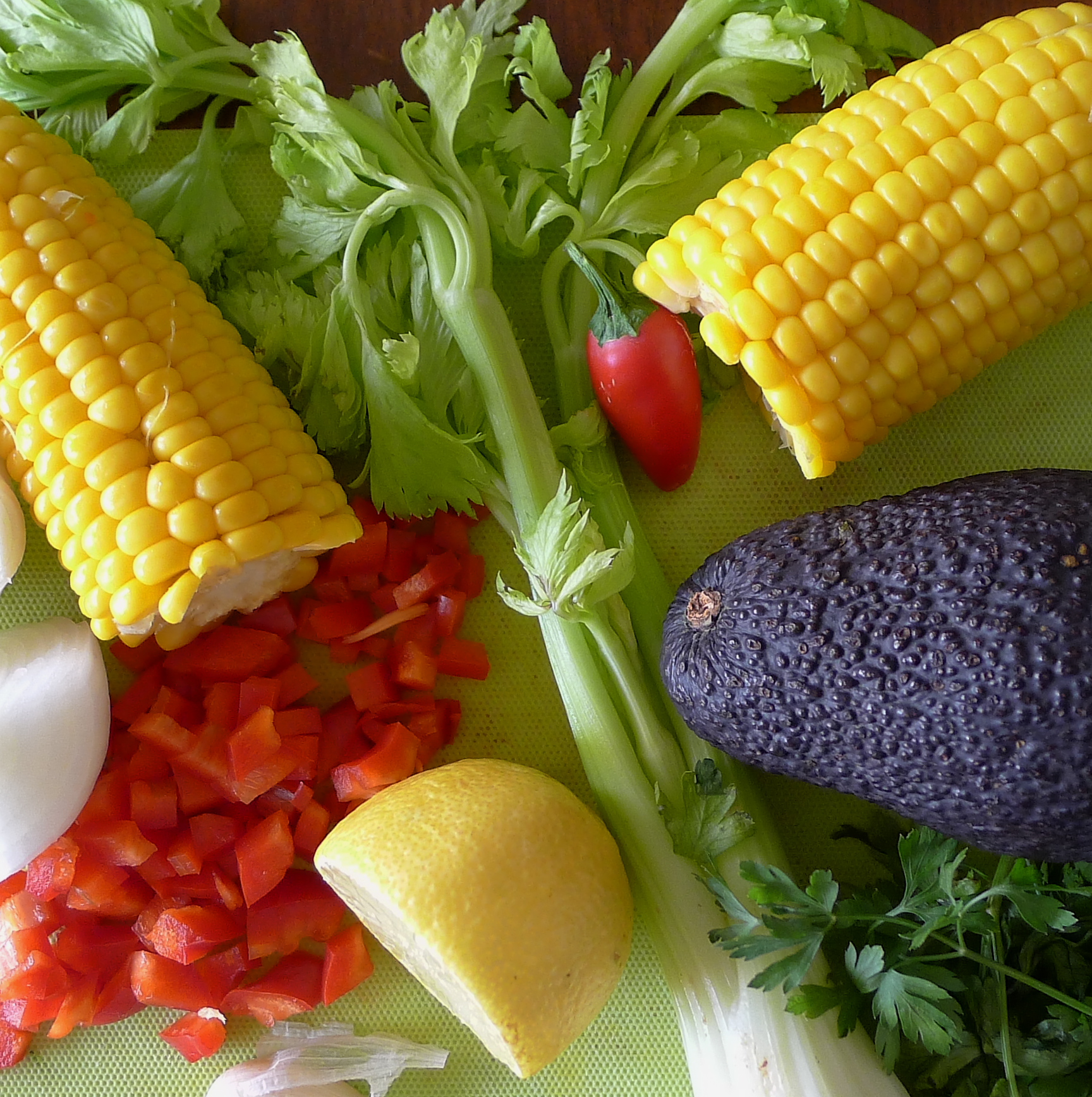
Medallions of fake lobster--monkfish--are served with a relish of corn and avocado. Pile this on a bun for a "lobster" roll. 


Pimentón adds the lobster coloring.

Monkfish has sweet-tasting, slightly chewy flesh, not unlike lobster, for which it can be substituted in any favorite recipe. Poaching the monkfish in a well-seasoned stock made with shells of lobster or shrimp adds true shellfish aroma. And, a little trompe l'oeil never hurts: rub the fillets with pimentón to mimic the reddish color of lobster meat.

Note: I wrapped one fillet with pimentón rub before cooking. The second fillet I poached in stock, then rubbed with pimentón and wrapped in plastic to chill. Results were about the same, so use whichever procedure you like.

For the deluxe treatment, serve the monkfish medallions with a spoonful of caviar (or fake it with lumpfish roe) and serve with Champagne (cava). Or, pile them in a bun and call it a “lobster” roll. Whether you’re faking it or not, this is a fine way to cook monkfish.

Use ordinary sweet pimentón (paprika), not smoked, for the rub. You can add a pinch of herbs if you like, but don’t overpower the natural sweet taste of the fish. The fish tails are rolled in plastic wrap (cling film) and poached. 

If you are starting with a whole monkfish, you will need a fish of about 2 1/2 pounds to provide 1 pound of boneless tail meat.

Use either fish or shellfish stock, if you have it, or salted water with a bay leaf and celery. After all, the fish encased in plastic is not benefitting much from the flavor-adding stock. Do save (freeze) the stock for soup another day.  If you are making stock with the monkfish head and trimmings, see the recipe here.

Unwrap poached fish and slice into medallions.

Use a shallow pan or deep skillet large enough to hold the fillets in one layer. Use enough stock/water to cover them. Take care not to overcook the fish. Keep the poaching liquid at a bare simmer. My small (4-ounce) fillets were done in 4 minutes. Figure 8 to 10 minutes for fillets weighing 8 ounces each. 

Drain the poached fish well, but don’t unwrap it. Chill at least 3 hours and up to 24 hours. Slice crosswise into medallions or shred the meat.


Monkfish “Lobster”
Rape Alangostado

To serve 4

1 pound boneless monkfish (2 [8-ounce] fillets)
2 teaspoons pimentón (sweet paprika, not smoked)
2 teaspoons water
¼ teaspoon salt
2 teaspoons olive oil
4-6 cups fish stock 
Optional accompaniments to the fake lobster:
Shredded lettuce
Cherry tomatoes
Strips of seaweed 
“Caviar” (salmon or lumpfish roe)
Salsa rosa, tartare sauce or mayonnaise
Drawn butter
Avocado-corn relish (recipe follows)

Remove and discard any skin or membrane from the fillets.

In a small bowl, combine the pimentón and water to make a paste. Stir in the salt and oil. Spread this mixture on all sides of the monkfish fillets. Place each fillet on a sheet of plastic wrap. Roll it up tightly and twist the ends and tie them with kitchen twine, like a sausage. 

Place the stock in a shallow pan or deep skillet large enough to hold the two fillets in one layer. Bring it to a full boil, then lower heat so the stock is barely simmering. Place the wrapped fillets into the stock and cover the pan. Poach the fish until cooked through, about 8 minutes for fillets that are about 8 ounces each. 

Remove the fillets from the pan and drain well. Do not unwrap them. Once cooled, refrigerate the fish until chilled, 3 hours or up to 24 hours. 

Unwrap the fillets and drain off any liquid. Use a sharp knife to cut them crosswise into medallions. Arrange the medallions on plates with lettuce and preferred garnishes or sauce. 


Avocado-Corn Relish
Picadillo de Maiz y Aguacate


½ cup diced celery
¼ cup diced red bell pepper
½ cup corn kernels
¼ cup chopped scallions
Fresh red chile, minced (optional)
1 clove garlic, minced
1 tablespoon chopped parsley
3 tablespoons lemon juice
3 tablespoons extra virgin olive oil
½ teaspoon salt

Combine the celery, pepper, corn, scallions, chile, if using, garlic and parsley in a bowl. Stir in the lemon juice and oil. Season to taste with salt. 

Serve the relish immediately or refrigerate, covered, up to 2 days.


Sauces to accompany lobster, fake or not: 


More recipes with monkfish:


Saturday, May 29, 2021

PUNCH UP THE FLAVOR WITH ADOBO MARINADE

 I´ve got just the marinade for your weekend grilling. Adobo. Adobo marinade is usually used for fish or meat to preserve it a few days. But the strong flavors work well for a last minute rub. I used it with chunks of rape--that's Spanish for monkfish or angler fish--then threaded them on skewers with peppers, onions and cherry tomatoes. For two, we're not firing up the grill on the patio. The kebabs are so fast on a grill pan.


Monkfish kebabs on a bed of quick-cooking couscous with a side of first green beans from the garden. 


No sauce is needed. Adobo punches up the flavor and keeps fish moist. Lemon on the side for extra tang; a few toasted pine nuts scattered over all.


Skewered fish cooks in under 5 minutes.


Adobo Marinated Fish Kebabs
Brochetas de Rape Adobado


Any firm-fleshed fish works well. Try shark (cazón in Spanish), swordfish, tuna, mackerel, halibut or grouper.

Serves 4.

6-inch bamboo skewers
1 pound boneless monkfish
3 cloves garlic, minced
1 teaspoon sweet pimentón (paprika, not smoked)
¼ teaspoon smoked hot pimentón
1 teaspoon oregano
1 tablespoon finely chopped parsley
Pinch of cumin seeds
½ teaspoon salt
2 tablespoons olive oil + more for vegetables and grill pan
1 teaspoon Sherry vinegar
1 teaspoon water
Green bell pepper
Onion
Cherry tomatoes
Coarse salt
Lemon slices, to serve


Soak the skewers in water.

Cut the monkfish into 1 ¼ -inch cubes and place them in a bowl.

Marinade mix.

In a small bowl, combine the garlic, two kinds of pimentón, oregano, parsley, cumin, salt, 2 tablespoons of oil, vinegar and water. Mix well and pour over the fish. Stir to coat all of the pieces of fish. Allow to stand at room temperature for 15 minutes (or cover and refrigerate for up to an hour).

Cut the pepper and onion into 1 ½-inch pieces. Cut the cherry tomatoes in half. Combine them in a bowl and sprinkle with a little oil. Mix to coat the vegetables.


Marinated fish skewered with onions, peppers, tomatoes, ready to grill.

Drain the soaked skewers and wipe them dry. Thread one skewer with one cube of fish. Thread remaining skewers alternating with halves of tomato, cubes of fish, slices of pepper, and pieces of onion.

Grill kebabs on gas or charcoal barbecue, on a flat grill pan or in a cast iron skillet.

Heat a flat grill pan, brush it lightly with oil and sprinkle with coarse salt. Lay the fish kebabs on the grill. Moderate the heat so they don’t scorch. Grill about 2 minutes on each side. Remove the skewer with one cube of fish and check it for doneness. The fish should be opaque in the center and flake easily. 

Serve the kebabs hot or room temperature with lemon slices.


More versions of adobo:


More about monkfish here.

Saturday, March 28, 2015

SPLURGING ON FISH


I’ve really splurged this week, buying monkfish. Years ago monkfish, fished locally (Mediterranean), used to be incredibly cheap, poor people’s fish. Now, it’s widely commercialized, so the price has soared (€9.90/kilo or about $4.90/pound for a whole fish, including the monster head).


Monkfish is one of the ugliest fish in Spanish markets, but very good eating. It has a huge head and slim tail, a little like an enormous tadpole that never got around to turning into a frog. The meaty tail is easily filleted. It has no scales, so is not kosher. This specimen has had its nasty teeth removed.
Monkfish (Lophius piscatorius) is called rape in Spanish (pronounce that in two syllables: rah-pay). In American markets “monkfish” is a name also used for the angel shark (listed as “critically endangered”), so be sure what you’re buying. In England monkfish is called anglerfish. In French, it’s lotte or baudroieSeafoodwatch.org lists American monkfish as a “good alternative.” So, if you see it at your fish market, go for it.

Monkfish was always my favorite choice for fish soup and any kind of seafood stew because its firm flesh doesn’t disintegrate in cooking. But as it’s become so pricey, I rarely buy it anymore.

About half the fish’s weight is it’s enormous head, which is ideal for soup. However, in US markets, you'll probably  find only the tail section. It’s very meaty, with only a round center bone, easily removed, and no fiddly fins and spines. That makes monkfish a perfect fish for people who are impatient with fish with bones.

A real meaty fish, it has white, sweet flesh that somewhat resembles lobster, for which it can be substituted in any favorite lobster recipe.

Monkfish liver is also much appreciated. In fact, most of the American catch gets shipped to Japan, where the liver is considered a delicacy. In Spain, the liver is made into a pâté or spread, delicious on toast.

One of my favorite ways to cook monkfish is skewered and grilled as kebabs with a garlicky marinade. Another is cazuela de rape with an almond-saffron sauce. That recipe appears here in a blog about cooking in clay pot cazuelas (which, incidentally, is still my most-visited blog post). Another great recipe is suquet, a Catalan seafood stew (recipe here.)

Monkfish cooks in a tomato-wine sauce with shrimp and clams.

This week I’m making a really simple fishermen’s dish, rape a la marinera or monkfish, mariner’s style (once saw that translated into English as “rape, sailor style”).

Monkfish cut into bone-in slices.


After skinning and removing the head from a 3-pound fish, I had about 1 ¼ pounds bone-in slices from the tail. While this would serve 3—two slices each—two of us easily ate it all! A splurge, yes, but so worth it. (And, the head is still in the freezer, waiting for a soup-making day.)


Monkfish, Mariner’s Style
Rape a la Marinera

Succulent fish in sauce is good served with rice as a side.

Rice is a good side dish to soak up the savory sauce.

Serves 4-6.

2 pounds bone-in monkfish slices
Salt
½ pound small clams, soaked in salt water to clean
Flour for dredging
3 tablespoons olive oil
1 ½ cups finely chopped onion
1 cup finely chopped green pepper
3 cloves garlic, chopped
3 cups grated tomato pulp (about 3 large tomates)
Parsley
1 bay leaf
½ cup white wine
¼ cup water or clam liquid
6 ounces large peeled shrimp


Sprinkle the fish with salt and allow to stand at room temperature for 15 minutes.

Drain the clams and place them in a small pan. Cover and place them on a high heat until shells open, shaking the pan. Remove from heat and reserve the clams. (If desired, sieve the liquid to add to the sauce.)

Dredge the pieces of fish in flour and shake off excess flour in a sieve.  Heat the oil in a skillet and fry the fish until golden on both sides. It does not need to cook through. Remove fish and reserve.

Add the onion, peppers and garlic to the oil and sauté until softened. Add the tomato pulp, 2 tablespoons chopped parsley, bay leaf, wine, water and 1 teaspoon salt. (If you have used clam liquid, you may need less salt.) Simmer 15 minutes until sauce is thickened.

Return the fish to the skillet (or place fish and sauce in a cazuela). Add the shrimp and clams. Cook on medium heat until fish is cooked through and shrimp are pink, about 15 minutes. Sprinkle with additional chopped parsley to serve.

Monkfish, mariner's style.

Paté de Higado de Rape
Monkfish Liver Pâté

Monkfish livers.

2-4 ounces monkfish liver
Salt
1 tablespoon olive oil
1 shallot, minced
1 tablespoon dry Sherry
1 hard-cooked egg
Pinch of smoked pimentón (paprika), optional
1 tablespoon chopped parsley
2 tablespoons fresh lemon juice
Freshly ground black pepper
Toasts to serve
Capers, strips of red pimiento, parsley to serve


Place the livers in cold water to cover with ½ teaspoon salt. Soak, refrigerated, 30 minutes. Rinse the livers and cut into pieces.

Heat the oil in a small skillet and sauté the shallot until softened, 3 minutes. Pat the liver dry and add to the skillet. Fry, turning, until lightly browned. Add the Sherry and simmer until liver pieces are cooked through. Remove and cool.

Place the liver and shallots in a mini food processor with the egg, pimentón if using, parsley and lemon juice and process until coarsely chopped. Season with pepper. Refrigerate.

To serve, spread the pâté on toasts, Garnish with capers, strips of red pimiento and parsley.

Monkfish liver pâté on toasts.