Showing posts with label avocado. Show all posts

Saturday, November 15, 2025

LETTUCE HEARTS ARE A THING

 
Wedges of lettuce hearts are dressed with fried asparagus, garlic, and ham. 

I was putting the finishing touches on dinner when Ben, returning from a sunset hike up the mountain, presented me with a bunch of freshly-picked wild asparagus. Autumn rains have brought forth this forager’s delight. 


I sat down to watch the news headlines before dinner. From the kitchen I heard some sizzling and sniffed the mouth-watering smell of frying garlic. In minutes Ben had turned the spindly stalks of asparagus into a gourmet delight, frying them with garlic and ham and spooning it over lettuce hearts. What a terrific starter.

Cogollos are lettuce hearts.
Lettuce hearts with fried garlic are a thing, appearing on restaurant menus everywhere. The most famous variety, from Tudela, Navarra, is a dwarf romaine lettuce that forms a compact head. Other varieties of lettuce such as Little Gem, a miniature Cos, are also sold as cogollos, hearts. (Cogollo actually means “core.” The beating heart of a living being is a “corazon,” not cogollo.)

Adding chopped wild asparagus with its subtle bitterness is inspired. If wild asparagus is not available, use regular green asparagus, cut lengthwise, then chopped. If Spanish ham is not available, substitute diced bacon or panceta. Ben used a balsamic-style vinegar with honey; Sherry vinegar is fine.

The following day I repeated Ben’s salad of lettuce hearts with sizzled garlic and asparagus and added to it a poached egg. Served with crusty bread, that was lunch.

Frying chopped asparagus, garlic, and ham crisps them slightly.

Lettuce hearts with fried asparagus and garlic dressing makes a terrific starter.


Served with a poached egg and crusty bread, the salad is lunch. Use a knife and fork to mix the egg with the lettuce and dressing.

Lettuce Hearts with Sizzled Garlic and Asparagus Dressing
Cogollos al Ajillo con Esparragos Trigueros

Cut small lettuce hearts in half, larger ones in quarters or thirds. If using full-size romaine hearts, instead of presenting in wedges, cut them into thick crosswise slices.


Serves 2.

2-4 lettuce hearts
1 avocado, sliced
Salt flakes
2 teaspoons vinegar, divided
¼ cup extra virgin olive oil + more for drizzling
2-3 ounces wild asparagus (approx. ½ cup chopped)
1-2 cloves garlic, sliced
Minced chile or red pepper flakes, to taste
½ ounce diced serrano or ibérico ham
½ teaspoon table salt
1 poached egg per person (optional)
Crusty bread to serve

Wash and dry the lettuce hearts. Cut them into wedges and divide between 2 salad plates. Arrange the sliced avocado around the hearts. Sprinkle each serving with flaky salt, ½ teaspoon vinegar, and drizzle with oil.

Dressing of fried asparagus.

Heat ¼ cup of oil in a skillet. Chop the asparagus into ½-inch pieces and fry in the oil 1 minute. Add the sliced garlic and chile and fry until the garlic begins to turn golden, 1 minute. Add the diced ham and fry 1 minute more. Remove the pan from the heat. Add the salt and 1 teaspoon of vinegar. 

Spoon the asparagus, garlic, ham, and oil dressing over the lettuce and avocados. Sprinkle with additional flaky salt and drizzle with more oil. 

If desired, place a poached egg in the center of each salad. Serve with crusty bread.

More recipes with wild asparagus;


***   ***   ***
FLAVORS OF AL-ANDALUS 
The Culinary Legacy of Spain

 Ask for Flavors of al-Andalus from your favorite bookseller or click below to order. 

This cookbook explores the fascinating story of the deep and lasting influences that Islamic culture has left on modern Spanish cooking. 
Author and Spanish cooking expert Janet Mendel tells the story of the Moorish influence on Spanish cooking through 120 recipes and photographs for modern-day dishes, from salads and vegetables to fish, poultry and meat to sweets and pastries, that trace their heritage to foods served in medieval times. Dishes from this era include exotic spices such as saffron, the use of fruits and almonds with savory dishes, and honeyed sweets and pastries. The flavors of al-Andalus live on in modern Spanish cooking and are what makes Spain’s cuisine distinctive from the rest of Europe. (Hippocrene Books)    


 Order on IndiePubs

Use PROMO CODE HIPPOCRENE40 for 40% off on all Hippocrene titles at IndiePubs online bookstore.

***

Order on amazon


***   ***   *** 

Saturday, February 15, 2025

LIGHT-UP THE DAY WITH A GRAPEFRUIT SALAD


On an overcast winter day, citrus fruits are like rays of sunshine. Winter and citrus season are nearly finished. In another month the orange trees on Andalusian streets will bloom. Meanwhile I’ve got a cache of tangy-sweet pink grapefruits to light up the day. 


This grapefruit salad is all about contrasts, in texture, color, and flavors. Juicy grapefruit segments meet crunchy red cabbage and buttery avocados. Adding shrimp makes a salad substantial enough for a main dish. 


Grapefruit Salad with Avocado and Cabbage
Ensalada de Pomelo, Aguacate y Col Lombarda

A bright salad with grapefruit segments, red cabbage, avocado, spinach leaves, and shrimp.


Serve the salad on individual plates or

Two ways to serve the salad: 

Either combine the grapefruit, cabbage, avocado, and shrimp in a bowl, dress with extra virgin olive oil, and serve atop salad greens on individual salad plates 

scoop from a serving platter.


or arrange greens on a platter, top with layers of cabbage, grapefruit, avocado, and shrimp, and drizzle oil over all. 

Serves 4.

1 ½ cups finely shredded red cabbage
½ teaspoon salt
1 tablespoon Sherry vinegar
3 pink grapefruits (approx. 10 ounces each)
2 medium firm-ripe avocados
1 cup small shelled and cooked shrimp
Extra virgin olive oil
Spinach leaves or other salad greens
Flaky salt
Garnish, as desired (pumpkin seeds, fresh herbs, black olives, hazelnuts, thinly sliced red onions)

Place the shredded cabbage in a bowl and sprinkle with salt and vinegar.
Use your hands to mix and massage the cabbage. Let it stand 30 minutes (or up to 1 hour) before combining with other ingredients.

Cut off peel and pith.
Use a thin knife to peel the grapefruits. Following the curve of the fruit, cut off skin and white pith. Working over a small bowl to collect the juice, cut segments free from membranes and place them in a bowl. Peel and remove pits from avocados. Slice the avocados crosswise. Place the slices in a bowl and spoon 1 tablespoon of grapefruit juice over them. (Save remaining grapefruit juice for another use.)

Serve the salad, dressed generously with olive oil, either mixed in a bowl or layered on a platter. Sprinkle flaky salt over all and garnish the salad as desired.


More citrus salads:


Saturday, July 27, 2019

SHRIMP AND SHRIMP AGAIN

I bought a pound of small shrimp to use as garnish for a dish I was going to photograph. In the end, I didn’t use them. So I cooked the whole, unpeeled shrimp (1 minute in boiling salted water) and put them out for a family meal for whoever was willing to peel them. My grandson Lucas and I devoured those little crustaceans. They were so sweet, so fresh.


These were the variety of shrimp known as gamba arrocera, a small, wild-caught shrimp especially esteemed on the Atlantic coast of Huelva (Andalusia), although they are also caught in the Mediterranean. They are the shrimp I remember eating in local tapa bars years ago. Always simply boiled, they were served plain and unadorned. You peeled them yourself and, in those days, dropped the shells on the floor!

Whole, raw shrimp.

Same shrimp after cooking.

Cooked, peeled and marinated in fresh lemon juice, the small shrimp go into a seafood cocktail called ceviche.

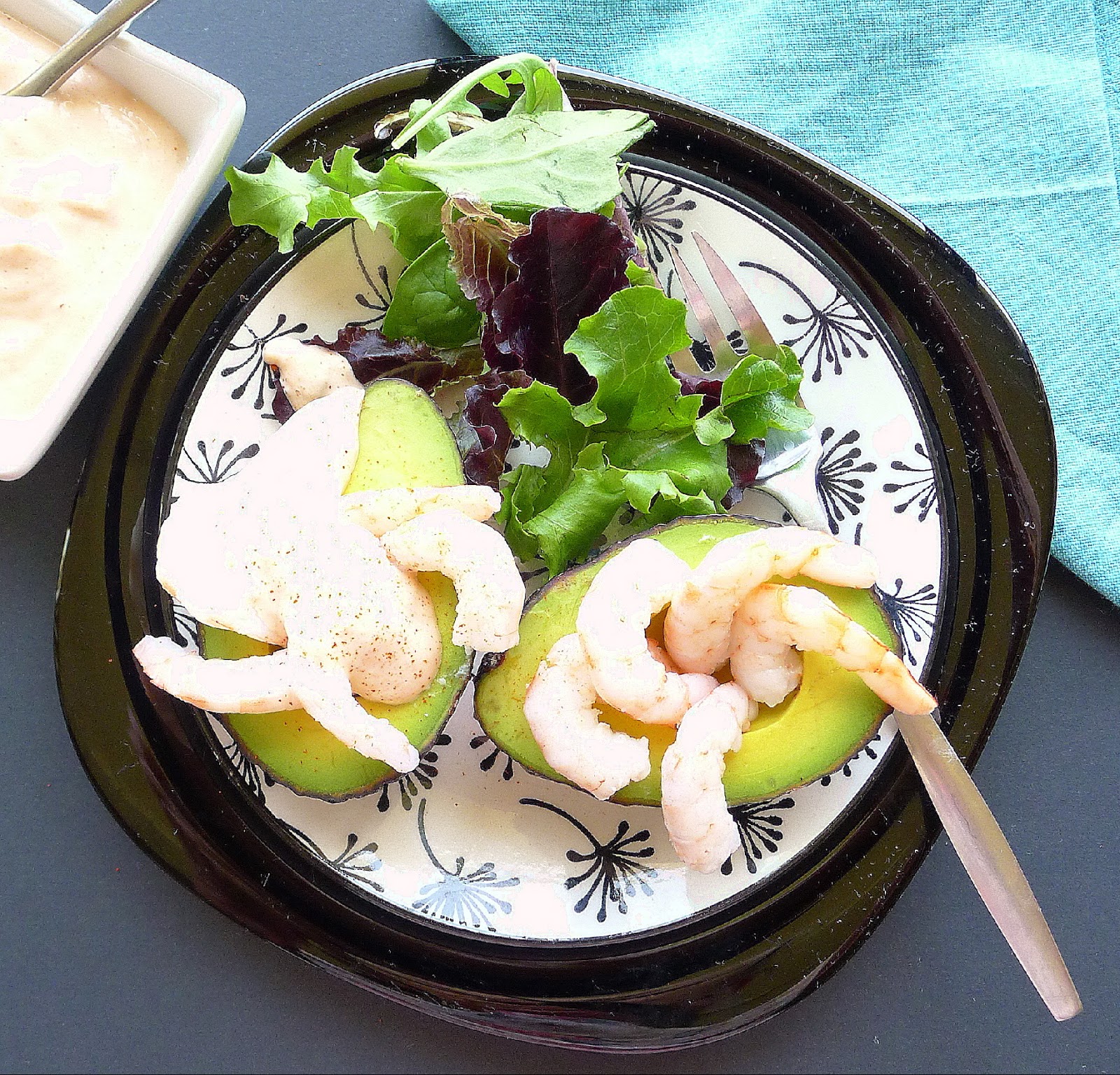
A favorite in Spanish restaurants, avocado halves with shrimp and a dollop of salsa rosa, pink cocktail sauce. This one eschews the usual ketchup. 

They are also the shrimp added to paella and other rice dishes—thus their nomenclature “arrocera.”  Cooked and peeled, they turn up in soups and in a favorite tapa bar salad, salpicón.  The small shrimp—peeled raw—were used as well in tapa bars for gambas al ajillo, or, as it was called in Málaga region, gambas al pil pil. Nowadays it’s common to use the larger langostinos. (More about varieties of shrimp/prawns here.)

Size varies. Mine were 54 shrimp (unpeeled with heads on) to the pound. The variety is also known as gamba blanca (Parapenaeus longirostris) or “white” shrimp, although it’s really a pale pink-beige color. It turns a darker rosy hue after cooking.


These fresh shrimp are best cooked immediately, then stored refrigerated. If kept raw more than a couple days, they begin to show a deepening violet/black color inside the shell of the heads. They are not spoiled!

It’s not necessary to devein the shrimp before eating them. The “vein” is perfectly edible. In larger varieties of shrimp, it can be very unsightly, so is generally removed. But, with these small ones, it’s not an issue.

I enjoyed those shrimp so much that I've bought them again. Some to serve plain--no dipping sauce, no lemon. Just shrimp. The rest I've peeled--pretty easy after they're cooked--to use in a refreshing cocktail called ceviche and with avocado and a piquant sauce.


Gambas Cocidas
Cooked Shrimp

Cooked and ready to peel and eat.


1 pound whole small shrimp
10 cups water
¼ cup salt
Bay leaf (optional)
Lemon slice (optional)
Ice water

Rinse and drain the shrimp. Bring water to a boil with the salt in a deep pot. Add bay leaf and lemon slice, if using. Have a large bowl of ice and water ready.


Add all of the shrimp to the boiling water. Return the water to a boil and remove the pot from the heat. Use a slotted spoon to remove shrimp and drop them into the bowl of ice water. Allow the shrimp to cool completely. Drain.

Either serve the shrimp immediately or store them, covered and refrigerated for up to 24 hours.

To peel cooked shrimp: break off the head (suck out the delicious juices if you like). Pinch off the tail and the "legs." Unwrap the shell from the body.

Shrimp Ceviche
Cebiche de Gambas

Crunchy peppers and onions, buttery avocado, sweet shrimp and tart lemon.


Unlike some ceviche recipes, this one calls for cooked, not raw, shrimp. The shrimp need only 10 minutes in the lemon marinade.

Serves 4 as a starter.

1 cup (5 ounces) cooked and peeled small shrimp
½ cup fresh lemon juice
¼ small red onion, cut in thin julienne
Salt
¼ cup diced yellow bell pepper
1 tablespoon minced fresh green chile, such as jalapeño
1 avocado, diced
¼ cup peeled and chopped tomato
1 tablespoon extra virgin olive oil
2 tablespoons chopped cilantro

Shrimp in lemon juice.


Place the shrimp in a small glass bowl. Pour over the lemon juice. Let the shrimp marinate, refrigerated, for 10 minutes.

Place the thinly sliced onion in a small bowl. Add ½ teaspoon salt and cover with water. Allow the onion to soak for 10 minutes.

In a bowl combine the diced yellow pepper, green chile, avocado and olive oil. Season with salt. Drain the soaked onions and add them to the bowl. Add the shrimp and lemon juice. Add the cilantro. Mix gently. Divide the ceviche between 4 cocktail cups.


Avocado with Shrimp
Aguacate con Gambas

Serve the pink cocktail sauce on the side or---


--dollop it right on the shrimp and avocado.

Avocados
Lemon juice
Cooked and peeled shrimp
Pink Cocktail Sauce

Cut avocados in half and remove pits. Sprinkle them with lemon juice. Fill the cavities with shrimp. Place a dollop of pink cocktail sauce on top of the shrimp.


Pink Cocktail Sauce
Salsa Rosa

1 plum tomato, peeled and chopped
1 tablespoon chopped onion
½ tablespoon chopped green chile, such as jalapeño
1/8 teaspoon hot pimentón (paprika) or a pinch of cayenne
½ cup mayonnaise
1 tablespoon extra virgin olive oil
½ tablespoon lemon juice
Salt

Place the tomato, onion and chile in a mini processor and grind them finely. Add the pimentón, mayonnaise, olive oil, lemon juice and about ½ teaspoon salt. Process to make a smooth sauce.
Sauce keeps, covered and refrigerated, up to 2 days.

****

At the Feria de la Gamba (Shrimp Fair) in Cartaya (Huelva, Andalusia), 8-11 of August, two tons of shellfish will be served up. Other shrimp fairs in Punta Umbría and Isla Cristina take place at other times of the year.
****


More recipes with shrimp:
Chickpeas with Shrimp and Fish Sausage.
Baked Shrimp with Sherry.
Zucchini Tubs with Shrimp Stuffing.
Piquillo Peppers Stuffed with Shrimp.
Flamenco Salad with Shrimp and Fruit.
Sizzling Garlic Shrimp with Chorizo.
Batter-Fried Shrimp.
Shrimp Boil a la Costa del Sol.
Classic Shrimp al Ajillo.
Shrimp and Fideo Noodle Salad.
Eggplant and Shrimp Rollups.
Shellfish Cocktail with Shrimp.
Rice with Shrimp and Mango.
Shrimp Cocktail with Avocado (Salpicón).
Pasta with Garlic Shrimp and Zucchini.

Sunday, February 6, 2011

AVOCADO DREAMIN'


A dream come true—avocados in my garden! That’s after five years of wondering why my little avocado tree never made fruit. The tree appeared to thrive, but year after year it flowered and produced lots of avocado nubbins that all fell off. I worried that perhaps it needed a mate—cross pollination? I think it just needed more and deeper watering.


As I watched my fruit mature, I was gifted with a whole bag full of avocados from a friend’s orchard! I have been in seventh heaven.

I adore avocados sprinkled with a little salt and lemon juice and scooped right from the shell. I slice them lavishly into salads. I make plenty guacamole (I planted coriander seeds to have a source of cilantro). But with such abundance, now it’s time to dream up other ways with avocados.

Mine are the Haas variety. The marvel of this variety is that the fruit won’t soften and fall off the trees, meaning I can pick it over the next couple of months. After picking, they need anywhere from a couple days to up to a week to soften. I can never seem to predict when they’ll be ready to eat! 

ABOUT AVOCADOS
Spain is far and away Europe’s largest producer of avocados. Although the commercialization of Spanish-grown avocados is new, their cultivation is not. Spain has been growing avocados since they were “discovered” in Mexico by Spanish conquistadores around 1520. The Spanish name, aguacate, comes from the word the Aztecs of Mexico called the fruit, from the Nahuatl name, ahuacatl, meaning “testicle tree,” for the way some varieties of the tree bear their heavy fruit in pairs. Admired for the beauty of its evergreen foliage and deep-green pear-shaped fruit, the avocado was early grown decoratively in Spanish monasteries and palace gardens. But, unlike tomatoes and potatoes, other foods from the New World, avocados never really caught on in Spain.

The first avocado plantations were established in the subtropical areas around Almuñecar on Granada’s coast in the early 1960s. Since then cultivation has extended to protected valleys with mild microclimates in Málaga province. I look down on a large avocado plantation in the valley below my house.

The avocado, although a fruit, is not especially sweet. It contains a little protein and carbohydrate as well as oil, a mono-unsaturated fat, which, like olive oil, is the healthiest kind. It is rich in potassium, vitamins A, B complex, C and E. Half a small avocado contains about 125 calories. A spoonful contains fewer calories than an equivalent amount of butter or mayonnaise, making it a fine substitute for those spreads. Ripe avocado whipped with a little sugar and a bit of lemon juice makes a superb alternative to whipped cream, served with fruit or as a topping for a tart.

Select avocados that are firm and under-ripe, with stems attached, and mature them at room temperature wrapped loosely in paper. (If stems have broken off, seal the ends with a piece of tape to prevent the flesh from darkening.) To test for ripeness, squeeze very gently in the palm of the hand--the flesh should give slightly. Once ripened, store avocados in a cool place. Although the refrigerator crisper-drawer is not ideal (too humid), it is usually the only alternative.

Cut and prepare avocados shortly before serving, as exposure to light and air causes the flesh to darken. Cut them from stem to stern, lengthwise, then twist gently to separate the halves from the center pit. Whack a sharp knife directly into the seed and twist it to lift out. To peel, place the avocado cut-side down and strip or pare off the skin. Or, use a large-size spoon to scoop the flesh from the skin in one piece. Sprinkle cut fruit with lemon juice to prevent discoloring. Leaving the pit embedded in the avocado doesn’t help to avoid darkening, except where it prevents exposure to the air and light.

I loath avocado-shrimp cocktail with pink mayonnaise (in Spanish, salsa rosa) that is served in so many Spanish restaurants. Gloppy sauce overwhelms the sweetness of shrimp, the butteryness of avocado. I order it sin salsa, with a wedge of lemon on the side. Avocado combines admirably with fish and shellfish, and is even better with the tart zing of citrus dressings; big spices; salty foods such as bacon, ham, capers, olives; and, surprisingly, with sweet fruits, where the buttery smoothness of the avocado makes a lovely contrast.
SALAD WITH AVOCADO, GRAPEFRUIT AND FENNEL
 Improvising in the kitchen, I combined pink grapefruit, crunchy sliced raw fennel and chunks of avocado, with extra virgin olive oil. Great texture contrasts! Great flavor. Next time, I’ll add some crisp bacon as a finishing touch.

Here is a recipe for salpicón, a favorite salad in tapa bars in Spain. This version is embellished with chunks of avocado. (The photo appears at the top of the page.)

Salpicón de Mariscos con Aguacate
Shellfish Cocktail with Avocado

Use any combination of cooked shellfish—shrimp, mussels, octopus—for this salad.

Serves 8 as a tapa; 4 as a starter.

2 cups cooked shrimp   
1 ½ cups diced fresh tomatoes
½ cup chopped green pepper
½ cup chopped green onion
2 cloves garlic, minced
3 tablespoons chopped parsley
½ teaspoon salt
3 tablespoons extra virgin olive oil
2 tablespoons lemon juice
1 firm-ripe avocado, cut in cubes

Combine the shrimp in a bowl with the tomatoes, pepper, onion, garlic, parsley, salt, oil and lemon juice. Stir to combine. Add the avocado immediately before serving.