Showing posts with label spring. Show all posts

Saturday, April 8, 2023

A CROSS-CULTURAL COOKIE

 This week three religious holidays converge—the Christian Semana Santa and Pascua de Resurrección (Holy Week and Easter), the Jewish Passover or Pesach (Pascua Judía) and the Muslim Ramadan. 


Once upon a time, before the Reconquest and the Expulsion (1492), Spain was a land of convivencia, where Christians, Muslims (known as the “Moors”) and Sephardic Jews inhabited the same towns and villages. 

Here’s a cookie of convivencia, one that might have been prepared by all three of those communities. Almendrados are a sweet treat for Easter dinner, for the Passover table when no wheat flour or leavening is permitted, or for iftar, the meal that ends the Ramadan fasting at sundown. 

Almond cookies are a sweet treat for spring holiday meals.


Pair almendrados with seasonal fruit such as strawberries and nísperos, loquats.


Almendrados with fruit cup of sliced berries and loquats. Whipped cream is optional.


The cookies are nutty and chewy.


The recipe comes from Repostería Monacal de las Hermanas Clarisas (Ardatz y S.P.A.M., San Sebastian; 1999), a collection of dessert and pastry recipes from Clarisa convents across Spain. This recipe was contributed by the nuns of the Monasterio de la Ascension de Nuestro Señor in Lerma (Burgos). It differs from other almendrado recipes (including those in Sephardic cookbooks) in that the eggs are separated and the whites beaten stiff, producing a cookie with a lighter texture. 

I decreased the proportion of sugar called for in the original recipe (1 kilo almonds and 1 kilo sugar). You could decrease the quantity even more. In fact, next time I make almendrados, I’m going to try them sugar-free. 


Grind almonds to flour.
Use store-bought unsweetened ground almond flour, if you can get it. Otherwise, use a food processor to grind blanched and skinned almonds to flour. If you’re starting with natural almonds, they need to be blanched in boiling water and skinned before toasting and grinding them. 

I used three large eggs for this recipe and found that, because the almond dough was fairly soft, the cookies flattened out considerably in baking. That’s why I’m suggesting in the recipe that you use medium-sized eggs. 

Line the cookie sheets with baking parchment. The cookies while still hot from the oven are likely to break if you try to remove them from the sheet. Slide the sheet of parchment with the cookies onto cooling racks. Allow the cookies to cool before lifting them off the parchment.  

The cookies are good served with coffee or tea. They pair nicely with spring fruit desserts. Depending on your religious proclivities: add liqueur or fruit juice to the fruit. Finish with a dollop of whipped cream or keep it dairy-free. 

Almond Cookies
Almendrados


Makes about 40 cookies.

16 ounces blanched almonds or unsweetened almond flour 
1 ½ cups sugar
½ teaspoon cinnamon
1 ½ teaspoons grated lemon zest
1/8 teaspoon salt
3 medium eggs, separated
40 almonds to decorate the cookies

Preheat oven to 400ºF.

Spread the almonds (or almond flour) in a rimmed sheet pan. Place in the oven, stirring once, until they are very lightly golden, 8-10 minutes. Watch carefully so that the almonds don’t burn. (Almond flour will toast even faster.) (If toasting the almonds in advance of making the cookies, turn the oven off. If continuing with the cookies, reduce heat to 350ºF.)

Allow the almonds to cool, then grind them in a food processor as coarse or fine as you like. Place the ground almonds in a mixing bowl. Combine the sugar in a small bowl with the cinnamon, zest and salt. Rub the sugar between the fingers to thoroughly mix the zest with the sugar. Add to the bowl with the ground almonds. 

Beat the egg whites until stiff. Stir the yolks to blend, then fold them into the whites. Add the eggs in two parts to the almonds and sugar. Fold the eggs in as lightly as possible. 

Set oven temperature to 350ºF. Line cookie sheets with baking parchment. 

Ready to bake.

Using fingers or two spoons, take up a piece of the almond mixture and shape into a ball about the size of a walnut. If dough seems sticky, dip hands or spoons in cold water. Place the balls on the cookie sheets, spacing them 2 inches apart, as they will spread in baking. Press an almond into the center of each ball.

Slide the sheet of parchment with cookies onto cooling rack.

Bake the cookies until they are lightly golden, 15 to 18 minutes. Remove the sheets from the oven and slide the whole sheet of parchment onto a cooling rack. Do not try to remove the cookies from the parchment until they are completely cool. 

The cookies keep well, stored in an air-tight container. 


More almond cookies: 


More about loquats here.


Wishing you a sweet and blessed holiday/springtime. 

Saturday, April 1, 2023

THE ITERATIONS OF A COD SALAD

 
A Catalan springtime salad with salt cod, tuna, olives and a romesco dressing.

And, suddenly, it is spring! I’ve moved from soup to salad in the space of a week. Because it’s also the start of Semana Santa, Holy Week leading to the Easter festival, I am having my annual bacalao fest. 


Bacalao is dry salt cod. This year I have simplified prep by purchasing a package of bacalao desalado y desmigado—salt cod that has already been desalted and separated into small pieces. (See below for how-to proceed if you’re starting out with whole pieces of salt cod.) I looked to Catalonia for the salad inspiration.

Following are three salad recipes that all include cod. You can make each one separately or you can make a double portion of the first, simple, iteration and morph it into the more complex salads. 

The first iteration: esqueixada is shredded cod with chopped tomatoes and spring onions, studded with olives, dressed with extra virgin olive oil.


Ringing the changes: this is empedrat, meaning "cobblestones," so called because the salad is studded with cobbles of beans, olives, diced cod. 

Add chunks of tuna and strips of anchovies to the basic cod salad and serve it on a bed of escarole with a dressing of romesco sauce. This is xató, the same salad pictured at the top of the page.


Shredded Cod Salad
Esqueixada de Bacalao

Esqueixada looks a little like “exquisite,” but in fact means “shredded”—what you do to the salt cod after it has been desalted by soaking. 

Scraps of desalted cod for salad.
In theory, desalted cod does not need cooking, but I prefer to simmer it briefly to soften it and to eliminate any off-flavors. Add the desalted cod to simmering water for 1 minute. After draining well, pick through the scraps of cod to make sure there are no bits of bones remaining. 

If good salad tomatoes are not available this early in the season, try using cherry tomatoes in this salad. 

To emphasize the Catalan flavor, use Catalan Arbequina olive oil and olives and a Penedès (or cava) white wine vinegar.

Serves 4 as a starter.

1 (packed) cup pieces of desalted cod (8 ounces)
1 large tomato
1 or 2 spring onions or several scallions (½ cup chopped)
3 tablespoons extra virgin olive oil
½ tablespoon white wine vinegar
Salt to taste
½ cup pitted black olives

First variation:
¼ cup diced green bell pepper
¼ cup diced red bell pepper

Bring a pan of water to a boil. Reduce heat to a simmer. Add the cod and simmer 1 minute. Drain the cod, refresh in cold water and let it drain well in a colander. Pick through the pieces of cod, removing any bits of skin or bone and pull the flesh into bite-size pieces.

Peel tomatoes for salad.
Peel the tomato and cut it into small dice. Place the tomato in a bowl. Slice or dice the onions or scallions and add to the tomatoes. Add the shredded cod, saving a few larger pieces to garnish the salad. Add the oil, vinegar and salt to taste. Mix in the olives. Chill the salad.

To serve, spread the salad on a platter. Place a few larger pieces of cod on top. 

Same salad with added green and red peppers.


The first variation of the salad calls for the addition of diced green and red pepper to the tomatoes and spring onion mix. They add color and crunch.


“Cobblestone” Salad with Cod and Beans
Empedrat

Add cooked white beans and hard-cooked eggs to the original cod salad for a substantial lunch dish.

In Catalonia, this would be made with small white beans called mongetes. Any white beans or black-eyed peas can be used. If using canned beans, drain and rinse them before dressing with oil and vinegar. Make the esqueixada salad, above, with the olives. Add it to the beans and garnish with hard-boiled eggs. A new iteration. This would make a good lunch salad.

Serves 4.

2 cups cooked and drained white beans
1 clove garlic, minced
3 tablespoons extra virgin olive oil
1 tablespoon white wine vinegar
Salt
Freshly ground black pepper
Finely chopped parsley
2 cups of esqueixada cod and tomato salad (recipe above)
2 hard-boiled eggs

Place the beans in a bowl. Add the garlic, oil and vinegar. Season to taste with salt and pepper. 

Immediately before serving, add 1 tablespoon parsley to the beans. Spread the beans on a platter. Spoon the esqueixada (cod, tomatoes, onions, olives) over the beans. Cut the eggs in half and garnish the platter. Sprinkle with additional parsley.

Cod and Tuna Salad with Romesco Dressing
Xató


This salad includes some of the same ingredients as the original esqueixada—cod, tomatoes, olives—with the addition of tuna and anchovies. They are spread on a bed of escarole and dressed with romesco sauce. 

Romesco dressing for the xató salad.
For the romesco dressing:
Make this sauce with all almonds or, if you like hazelnuts, use part almonds, part hazelnuts. It’s customary to toast them lightly, giving them depth of flavor and making them easier to grind in a mortar. (I quit on the mortar and switched to the food processor.) 

The basic recipe makes a thick, heavy sauce. To make it easier to mix with salad ingredients, thin the romesco with water. (The un-thinned sauce makes a sensational dip, for chips or celery sticks.)

Ñoras are a dried, bittersweet pepper (not hot). Reconstitute them by cooking/soaking, then scraping the pulp from inside the peppers. If ñoras aren’t available, use a heaping tablespoon of pimentón (sweet paprika) stirred to a paste in 2 tablespoons of water. 

The romesco dressing can be made in advance and kept at room temperature for 1 day. If to be stored longer, refrigerate, covered, but bring to room temperature before using.

Almonds and ñora peppers.

2 ñoras (see above for substitution)
½ cup almonds and hazelnuts
1 slice baguette
2 tablespoons white wine vinegar
2 cloves garlic
½ teaspoon salt
Pinch of cayenne
Pinch of dried mint
1/3 cup extra virgin olive oil
¼ to ½ cup ñora liquid or water, to thin the sauce

Scrape pulp from ñoras.
Remove stems and seeds from the ñoras. Place them in a small pan with water, bring to a boil and simmer 5 minutes. Remove the pan from the heat and allow the ñoras to soak 1 hour.

Skim the ñoras out, saving the liquid. Spread the ñoras open on a cutting board. Scrape the pulp from the shells. Discard the skins. Chop the pulp.

Lightly toast the almonds and hazelnuts in a small skillet. Place the slice of bread in a small bowl and add the vinegar. Soak the bread until it is softened. Squeeze it out and discard the vinegar.

Grind the almonds/hazelnuts in a mortar or food processor. Add the pulp from the ñoras (or the pimentón paste), the garlic, salt, cayenne and mint. Process until smooth. Add the oil and process until emulsified. Add enough liquid to thin the sauce to the consistency of heavy cream.

For the xató salad:
You can use the Esqueixada salad (recipe above) with its cod, tomatoes and olives. Use a slotted spoon to add it to the greens so the excess dressing doesn’t thin the romesco.Otherwise, start with pieces of cod and add tomatoes and olives.

Escarole or other salad greens
1 cup esqueixada or pieces of desalted cod
½ cup drained chunks of light tuna
Anchovy fillets
Black olives
Sliced tomatoes
Romesco dressing

Spread the escarole on a platter. Scatter the pieces of cod and tuna on top. Add strips of anchovies, olives and tomatoes.  Top with spoonfuls of romesco dressing or serve the dressing separately for each person to mix with the salad.

Mix the romesco dressing with the greens and pieces of fish.
---     ---     ---     ---     ---     ---     ---     ---     ---     ---     ---     ---     ---     ---     ---    

A whole split of bacalao--dry salt cod.

To prepare bacalao from scratch:
Start desalting the salt cod one to three days before you intend to use it (less time for smaller pieces). Scrape off surface salt and wash the fish in running water. Put it in a bowl and cover with water. Soak the bacalao, covered and refrigerated, 24 to 48 hours, changing the water three times a day. Each time you change the water, wash the fish under running water, squeeze it gently and wash out the container.

After soaking, place the pieces of bacalao on a clean towel and cover with another to soak up excess water. Remove scales and bones. The skin may be required for some dishes, as its gelatinous quality thickens the sauce. Big chunks are usually cooked whole, but scraps can be cooked, de-boned and used in fritters, fish balls and salads.

More recipes with romesco:


Another "cobblestones" recipe (plus links to eight more bacalao recipes):

Another salad with salt cod:

Saturday, May 14, 2022

COOKING THE WILD ASPARAGUS

Springtime in the Andalusian countryside. (Photo by Ben Searl.)

 
Stalker of the wild asparagus. (Photo by Ben Searl)


Ben returned from a hike with a bunch of wild asparagus, foraged from hillsides abloom with wildflowers. 


Wild asparagus—sometimes called esparragos trigueros, because it often grows on the verges of wheat fields—makes spindly stalks that pop up in the spring in sunny spaces, often beside irrigation ditches or near stream beds. Hidden amongst taller weeds, the stalks can sometimes be spotted by the yellowing, ferny foliage from the previous year. 

Wild asparagus can be tender or fibrous, sweet or bitter. It seems to depend on how mature the stalks are—as the tips begin to open, the stalks become more fibrous; how cool and damp the weather is, and the length of time from cutting to eating. Since any bunch of foraged asparagus is likely to range from one extreme to the other, I usually blanch all the spears before proceeding to cook them.

In Andalusia, the favorite way to prepare wild asparagus is in a tortilla or revuelto, scrambled with eggs, sometimes with the addition of a little chopped serrano ham. The asparagus also is cooked in a sauce made with a maja’o, or majado, a “mash” of bread, garlic and spices crushed in the mortar. The recipe, called “esparragado,” or “asparagussed,” is used for other vegetables, such as chard, wild thistle stems (tagarninas), cardoons, or wild silene leaves (collejas). It often is finished with eggs—fried or poached—on top of the vegetables. While usually vegetarian, the dish can be embellished with bits of ham or chorizo. 

My Esparragado includes wild and cultivated asparagus, small artichokes and sugar snaps from my garden, shelled peas and potatoes. With eggs cooked in the cazuela, it becomes a main dish. 

Asparagus and other vegetables are sautéed first, then cooked in a sauce. Eggs poached in the casserole finish the dish.


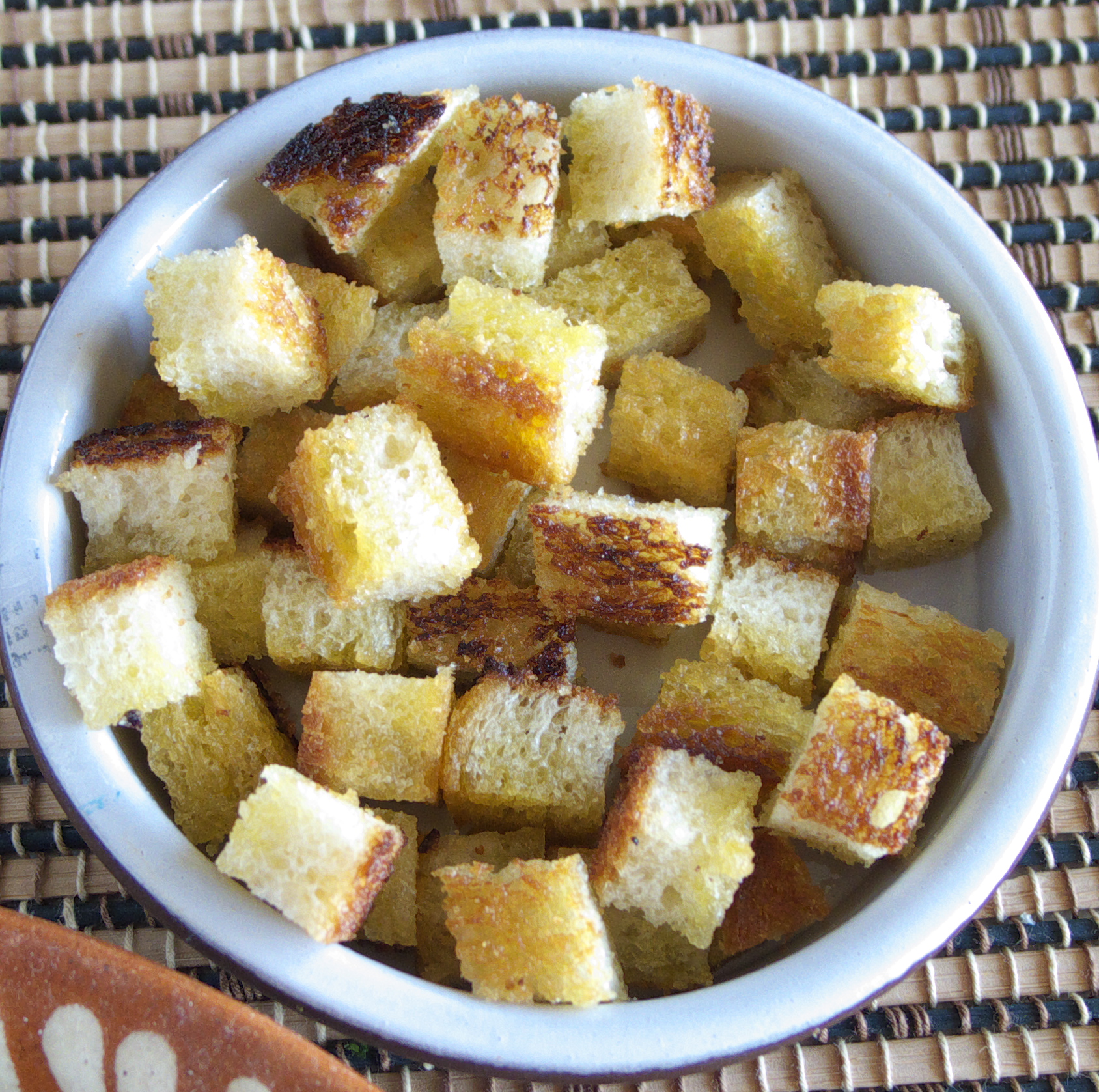
With an egg on top, the vegetables make a main dish. Croutons of fried bread add crunch.

I've used both skinny wild and thicker cultivated asparagus in this dish.


Asparagus Casserole with Spring Vegetables 
Cazuela de Esparragos Esparragados

For the cooking liquid, use chicken or vegetable stock or simply water. Use either smoked or regular pimentón (paprika). Chopped serrano ham, panceta or bacon is a nice addition. Omit it for a vegetarian version. 

You can finish the casserole with one egg per person or use fewer eggs and mix them into the vegetables before serving. Croutons of fried bread add crunch to the vegetable melange.


I’ve got a few small (tiny) artichokes from the garden, so I’m cooking them whole. If using medium or large artichokes, cut them into quarters or smaller segments. Snap off several layers of outer leaves, scoop out the fuzzy chokes and drop the artichokes right into the oil in the cazuela. No need to put them in lemon water.


20 ounces asparagus (3 cups cut up)
4 tablespoons olive oil
2 slices bread, crusts removed
3 cloves garlic, peeled
1 cup chopped onion 
2 ounces chopped pancetta, ham or bacon (optional)
1 teaspoon pimentón (paprika)
½ teaspoon cumin
1-2 tablespoons white wine vinegar
2 medium artichokes, quartered
2 medium potatoes
Salt
Freshly ground black pepper
2 cups stock or water
1 cup shelled peas, sugar snap peas or fava beans
4 eggs
Chopped parsley


Wild asparagus.

Snap off and discard the butt-ends of the asparagus. Cut the stalks into 1-inch pieces. If using wild asparagus, which sometimes is fairly bitter, blanch it in boiling salted water for 2 minutes and drain.

Heat 3 tablespoons of oil in a cazuela or deep skillet. Fry the slices of bread and garlic until they are golden. Remove them and reserve. 

Add the remaining 1 tablespoon of oil to the pan. Sauté the onions and pancetta, if using, until onion is softened, 5 minutes. Stir in the cut-up asparagus and fry for 2 minutes. Stir in the pimentón and cumin. Add the vinegar and cook 1 minute. Add the artichokes and potatoes, peeled and cut into small pieces. Season with salt and pepper. Add 1 ½ cups of the stock or water. Bring to a boil, reduce the heat and cook, covered, until asparagus is tender, 15 minutes.

Break up one slice of fried bread into a blender with the fried garlic. Add the remaining ½ cup of the stock or water and blend to make a smooth paste. Stir the paste into the pan with the vegetables. Add the peas. Bring to a boil, reduce heat and cook, covered, stirring frequently, until sauce is thickened and vegetables are cooked.

Break eggs into a small bowl, one by one, and slide them into the pan. Cover and simmer until whites are set but yolks still runny.

Croutons of fried bread.
Cut the remaining slice of fried bread into cubes. Scatter them on top of the vegetables or serve alongside. Garnish the cazuela with chopped parsley.


More about asparagus:


Saturday, February 16, 2019

A TRANSITIONAL SALAD

Oranges and avocados are on the way out; fennel and radishes are coming in. A salad to mark the change of seasons.

It’s a season of contrasts as winter transitions to spring. Warm sunshine follows on stormy days and bitter winds. Sometimes in a single day I go from bundling in layers of sweaters to sitting in the sun in short sleeves.  


In the kitchen, too, I am in transition. I’ve got a crate of oranges and another of avocados. Both winter fruits, they need to be picked from the trees in the orchard before spring brings new blooms and growth. At the same time, I’ve got fresh fennel, sweet radishes and sprightly spring onions.

The last picking of winter fruit--crates of oranges and avocados.

Sweet, with a mild bite--spring radishes add color and snap.

Raw fennel has a delightful crunch, a subtle anise flavor. 


I tossed them all together, winter and spring, for a salad of contrasts, perfect for a transitional season. The salad has contrasts in texture—crunchy raw fennel, buttery avocado, juicy oranges. In color—green, red, orange. In flavor—sweetness of oranges,  subtle anise of fennel, mild bite of radish and spring onions.

Serve the salad layered on a platter, or---

or tossed all together in a salad bowl.


Orange, Avocado and Fennel Salad
Ensalada de Naranjas, Aguacate y Hinojo

The ingredients for this salad can be layered on a platter or tossed together in a bowl. The salad can even be prepared a day in advance, although, if you choose this method, be sure to garnish the salad before serving with some freshly chopped onion and green fennel fronds to freshen it up.

You should have about 2 cups each of sliced fennel, oranges and avocados.

Ingredients for a winter into spring salad: oranges, fennel, radishes, spring onions and avocado.

Serves 6.

1 fennel bulb (about 1 pound)
Salt
2-3 oranges
3-4 firm-ripe avocados (about 1 pound)
4 tablespoons extra virgin olive oil
2 tablespoons Sherry vinegar
2 spring onions
2 radishes
Salt flakes
Freshly ground black pepper (optional)
Red pepper flakes (optional)

Trim the fennel of tough outer leaves. Save green fronds for garnishing the salad. Cut the bulb into quarters and cut away the core. Thinly slice the fennel crosswise. Place the sliced fennel in a bowl and sprinkle with salt.

Place oranges on a cutting board. Cut a thin slice off both ends. Cut downwards, removing peel and white pith. Slice oranges crosswise. Discard any seeds or membrane. (Slices can be left whole, cut in half or cut in bite-size pieces.) Place the sliced oranges in a bowl.

Sliced and ready to combine in salad.
Peel and pit the avocados. Slice them crosswise. Place them in a bowl and sprinkle with salt.

Add the olive oil to the sliced oranges. Add 1 tablespoon of the vinegar to the sliced fennel and 1 tablespoon of vinegar to the sliced avocado.

Thinly slice the spring onions, including some of the green. Cut the radishes in half and slice them crosswise.

To assemble the salad: Layer the fennel, oranges and avocados on a rimmed platter. Scatter the sliced onions and radishes on top. Pour over all the accumulated juices from the bowls. Sprinkle with salt flakes and pepper or red pepper flakes, as desired. Garnish with a few snippets of green fennel fronds.


Salad of contrasts in texture, color and flavor.


More recipes with oranges:

More recipes with avocados:

More recipes with fennel:


Saturday, March 10, 2018

SPINACH--A BREATH OF SPRING

Where I live in southern Spain, spinach grows through mild winter months and is harvested in early spring. So I’m enjoying it in many different ways (see links to recipes at the end of this post). Today it’s eggs baked in “nests” of spinach.


So green and fresh, spinach is a delight in early spring.

Spinach is so deceptive. It looks like lots and lots, then cooks down to nothing. Even knowing this, I miscalculated. I figured a pound of spinach leaves—a heap—would be enough for four half-cup servings. It made only enough for three servings. I’ve adjusted the recipe to serve four.

The “nesting eggs” are best prepared in individual ramekins, but they can also be baked in a single oven pan, then scooped out to serve at table. If using earthenware cazuelitas, remember that clay holds the heat, so the eggs will continue to cook after you remove them from the oven.

Ready for the oven. Cooked spinach makes a nest. Egg is dropped in the center. Grated cheese on top. The white ramekin is enameled metal; the other two are earthenware.

Strips of fried bread are a favorite accompaniment, but toast or fried potatoes are good too. Serve the eggs and spinach for brunch, as a starter for a spring dinner or as a light supper dish.

You can use bunches of fresh spinach or bags of washed, ready to use leaves. Spinach you wash will cook with the water clinging to it, but dry, bagged leaves will need a little extra water to cook. If you choose to use the optional chopped ham, you may not need additional salt. Taste before seasoning. Use regular or smoked pimentón (paprika) for the dash of finishing color on top of the eggs. I like smoked picante—spicy-hot—pimentón on the eggs. 

Ready to bake. Remember that clay ramekins hold the heat, so the egg will continue to cook after removing it from the oven.

After baking, white is set, yolk still runny, cheese is melted.

Serve the baked egg and spinach for brunch, as a starter or a light meal. Tirangles of bread fried in olive oil are a good accompaniment.

Just right--yolk is still runny. Will you dip the fried bread in the egg? Or mix it all up with the spinach?

Eggs Baked in Spinach Nests
Huevos al Nido con Espinacas

Serves 4.

1 ½ pounds spinach (to make 16 cups chopped)
¼ cup olive oil plus additional for oiling and drizzling
¼ cup chopped green onion
¼ cup (1 ounce) chopped serrano ham (optional)
Water, as needed
Salt, to taste
Freshly ground black pepper
Grated fresh nutmeg
4 large eggs
¼ cup grated cheese
Pimentón (paprika), smoked or plain
Fried bread, toast or fried potatoes, to serve

To chop: roll spinach and slice it.

Wash the spinach, if necessary, and trim away stems. Chop or shred the spinach.

Heat the oil in a deep pan. Sauté the chopped onion on medium heat until softened, but not browned, 4 minutes. Add the ham, if using, and sautée 1 minute. Add all of the chopped spinach. Stir to mix with the onion. Add a little water, if necessary. Cook the spinach until wilted and tender, about 10 minutes. Season with salt, pepper and nutmeg. If there is liquid remaining in the pan, raise the heat to cook it off. 

Spinach fills a deep pan, but will cook down a lot.

Preheat oven to 400ºF/ 200ºC. Lightly oil 4 oven-safe ramekins or custard cups. Place them on an oven tray.

Divide the spinach into four portions. Press each into a lightly oiled cup. Invert it into the ramekin. Push open a hole in the center of the mound of spinach, widening it enough to contain a whole egg. Make sure there are no breaks in the rims of the spinach ring, so egg white cannot seep out. 

Break an egg into a cup and carefully slip it into the hole in the center of the spinach ring. Drizzle a little olive oil over eggs and spinach. Spread grated cheese on the tops and sprinkle them with pimentón.

Bake until the whites are set, but yolks still runny, about 10 minutes. Serve immediately with fried bread.


A breath of spring--eggs, spinach and freesias.

More recipes with spinach: