Showing posts with label green beans. Show all posts

Saturday, June 21, 2025

SPEAKING OF BEANS—

 
Green beans with chorizo and potatoes.

Green beans from the garden were featured in my salad recipe last week. This week I’m cooking beans with chorizo, an easy main dish or side. 


No beans about it--
Speaking of beans, let me tell you that in my new cookbook, FLAVORS OF AL-ANDALUS, The Culinary Legacy of Spain, there are no recipes for beans, neither green beans nor pintos, haricots nor limas. Why not? 

There were no beans in al-Andalus, Moorish Spain, the Islamic kingdoms of Iberia between 711 and 1492.  These legumes, of the family Phaseolus vulgaris, native to Mexico, were brought back to Europe on Columbus’s second expedition to the New World in 1493.  

Other legumes—chickpeas, lentils, black-eyed peas, fava beans, and peas were consumed in Moorish Spain. Interestingly, two of the words for “bean” in Spanish, alubia and judía, come from Moorish times. The Arabic name for the black-eyed pea, lubia, came to be used for all beans when they eventually became available in Spain. The word judía actually means “Jewish,” possibly because the Sephardic people of Spain favored the “beans” of the day, black-eyed peas. (Oh, by the way, there are no recipes with potatoes or chorizo in the new book either.) See below for more information about  FLAVORS OF AL-ANDALUS
*** *** ***

Green Beans with Chorizo
Judías Verdes con Chorizo

Serve the bean-chorizo combo as a side dish, here with fried fish (rosada).

Or finish cooking the fish in the sauce with the beans.


Wide, flat green beans, such as Romano (variety pictured is Helga), if available, are best for this recipe. But it can be made with any bean variety. The chorizo can be dry-cured or raw. For a vegetarian version, omit the chorizo, use additional olive oil, and 2 teaspoons of pimentón (paprika). As a main dish, the beans are good garnished with quartered hard-cooked egg.


Pre-cook beans 2 minutes.
Serves 2.

4 ounces green beans
Salt
2 tablespoons olive oil
4 ounces chorizo, chopped
½ cup chopped onion
1 clove chopped garlic
½ cup grated tomato pulp (1 tomato)
Freshly ground black pepper
Pinch of oregano
1 cooked potato, cubed (optional)
Fillets of fried fish (optional)

Top and tail the beans and cut them into short (2-inch) pieces. Cook in boiling salted water 2 minutes. Drain and refresh the beans under cold water. Set them aside.

Heat the oil in a pan and fry the chorizo, onion, and garlic on medium heat until onion is softened, 5 minutes. Add the tomato pulp, salt and pepper to taste, oregano, and the potato, if using. Cook until tomato is reduced to a sauce, 5 minutes. Add the par-boiled beans to the mixture and reheat them, 2 minutes. If desired, add fried fish to finish cooking with the beans. 
*** *** ***

The fish pictured above is rosada, "pink fish," popular in Spain although it is not fished locally. For more about rosada see this recipe for Fried Fish Sticks.

More green bean recipes:


*** *** ***


FLAVORS OF AL-ANDALUS, The Culinary Legacy of Spain, will be published August 12, 2025! See Meatballs with Backstory for more about what’s in the book and to view several of the page spreads. See advance reviews at Advance Praise for Flavors of al-Andalus

This cookbook explores the fascinating story of the deep and lasting influences that Islamic culture has left on modern Spanish cooking. 

Author and Spanish cooking expert Janet Mendel tells the story of the Moorish influence on Spanish cooking through 120 recipes and photographs for modern-day dishes, from salads and vegetables to fish, poultry and meat to sweets and pastries, that trace their heritage to foods served in medieval times. Dishes from this era include exotic spices such as saffron, the use of fruits and almonds with savory dishes, and honeyed sweets and pastries. The flavors of al-Andalus live on in modern Spanish cooking and are what makes Spain’s cuisine distinctive from the rest of Europe. (Hippocrene Books)

$39.95 hardcover: Available in print and e-book in August 2025

 Pre-order on IndiePubs

Use PROMO CODE HIPPO40 for 40% off through June 30 on all Hippocrene titles at IndiePubs online bookstore.

***

Pre-order on amazon


Saturday, June 29, 2024

GREEN BEANS GALORE


My small, fenced-in huerta (vegetable garden) continues to delight, this week with more green beans than we can possibly consume in a couple of days. Freezer bags at the ready! And some favorite recipes.


This one, for beans and potatoes, is quick to prepare. With sliced chorizo added, it is like Potatoes a la Riojana. Without the chorizo it’s a terrific summer vegetarian dish (add smoked sweet pimentón).

One-day's picking. Some will be blanched and frozen. 

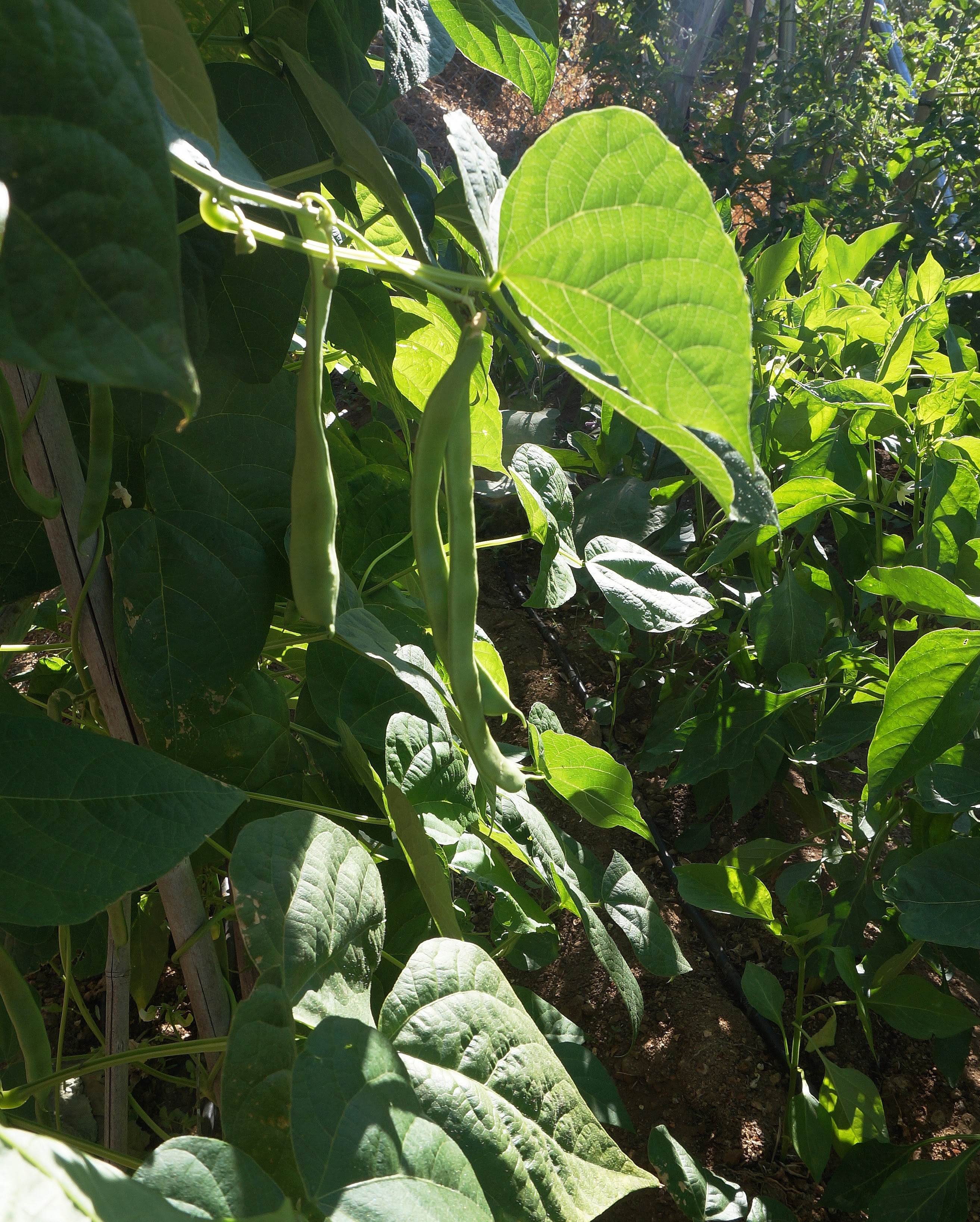
I love this variety of pole bean (Helda) that makes a large, flat, stringless pod. The beans somewhat resemble “Romano” or “Italian” variety of beans found in America markets but maybe have a crisper texture and sweet taste. 

To cook the beans: Snap or cut off the stem ends and tails, too, if you prefer. Cut the beans if desired. Bring salted water to a boil, add the beans. Cook the beans 3 minutes for crisp-tender, 5 minutes for very tender. Drain and plunge them into ice water to stop the cooking and fix the green color. 

Blanch the beans and add them to the pan once the potatoes are tender. Use the bean cooking water to cook the potatoes.


Green Beans and Potatoes, Rioja Style
Judías Verdes con Patatas a la Riojana


Serves 4

12 ounces green beans
Salt
¼ cup olive oil
1 cup chopped onion
1 ½ pounds potatoes
1 cup chopped green pepper
½ cup chopped red bell pepper
¼ teaspoon cumin
½ teaspoon hot smoked pimentón
1 teaspoon salt
1 ¼ cups bean cooking liquid or water
4 ounces chorizo, sliced (optional)


Cut the beans into 3-inch pieces. Cook them in boiling salted water until crisp-tender, about 3 minutes. Drain the beans, saving the cooking water.  Cover the beans with cold water.

Heat the oil in a cazuela or skillet and sauté the onions until softened. Peel the potatoes and cut-snap them into 1 ¼-inch pieces. Add the potatoes, green and red peppers to the pan with the onions and fry until the potatoes just start to brown. 

Stir in the cumin, pimentón, and salt. Add the water and bring to a simmer. Cover and cook until the potatoes are nearly tender, 10 minutes. Add the chorizo and cook 5 minutes.

Drain the beans and add them to the pan with the potatoes. Heat thoroughly and serve.


More bean recipes:


Saturday, August 20, 2022

BEANS WITH A VIEW

Green beans block the sea view from the terrace.

In the spring, just after we set out tomato plants and saw the bean seeds starting to poke up through the soil, a marauding tribe of wild boar dug up the huertas. First rage, then disagreement (Ben: get a dog! Me: put up a fence!), and, finally, resignation. I have abandoned the huertas after years of cultivating my summer “gazpacho garden” and winter “soup garden.” 


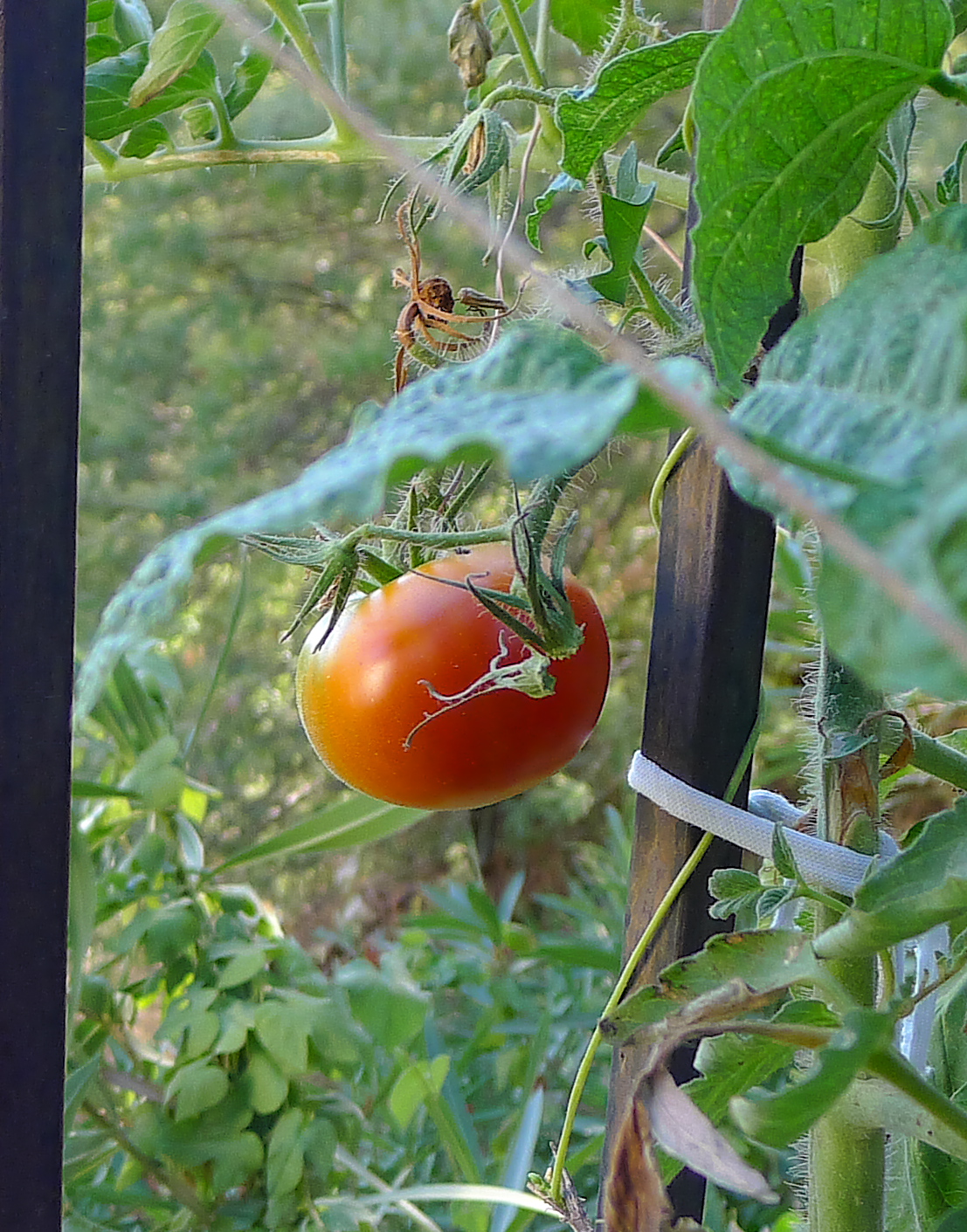
Ben set up a row of huge pots on the walled-in terrace and filled them with enriched soil. We planted beans and tomatoes in them. The pole beans along the railing almost block the view. The handful of beans I pick is just enough to add to my lunch salad. The few tomatoes, of exquisite flavor—an unknown variety that I propagated from seed—we eat one by one, unadorned. 

In the market, beans and tomatoes are at their peak right now, so I’m buying lots to make up for what I can’t grow. The most common variety of bean is a wide, flat bean, somewhat like the Romano bean. 

Remove strings.

The flat beans are really good cooked crisp-tender (4 minutes in boiling water) or, in the old-fashioned way, braised until very soft. Late in the season these beans tend to be more fibrous, so I might use a vegetable peeler to strip the stringy edges away. 

This is one of those old-fashioned recipes that I learned from pueblo housewives. The proportions of beans and tomatoes can be freely varied. The tomatoes can be chopped, grated or pureed. I’ve watched home cooks chunk the tomatoes, skins and all, right into the pot. I prefer to peel them first.
   
This is a vegetarian dish that can be embellished with chorizo, if desired. A little chorizo adds a lot of flavor. If not using it, add a spoonful of smoked pimentón. The dish, typically, would be served as a primer plato, first course, a summer stand-in for soup or legume stew for a family meal. It should be a little soupy, saucy enough to eat with a spoon. Serve it hot, room temperature or cold. Garnish with fresh herbs—parsley, basil or mint, for instance. Add quartered hard-boiled egg, if desired. Call it lunch. 

Green beans finish cooking in the saucy mixture of tomatoes, potatoes and chorizo.


A summer lunch, served warm or cold--beans, potatoes, tomatoes, chorizo or not.


Partially cooking the beans before adding to the sauce helps to preserve their color.

Green Beans with Tomatoes
Judías Verdes con Tomate

For vegetarian, omit the chorizo.

Serves 4 to 6.

6 medium tomatoes (1 ¼ pounds)
1 ¼ pounds green beans
Salt
¼ cup olive oil
4 ounces chorizo, sliced (optional)
1 cup chopped onion
2 cloves garlic, chopped
2 medium potatoes (12 ounces)
¼ teaspoon cumin
¼ teaspoon oregano
1 teaspoon pimentón (paprika) (optional)
Freshly ground black pepper

With the tip of a knife, cut an X in the blossom end of the tomatoes. Either blanch them in boiling water for 1 minute OR microwave on High for 2 minutes, turn the tomatoes and microwave 2 minutes more until skins start to loosen. When the tomatoes are cool enough to handle, peel, core and chop them, saving all the juice. (Makes about 1 ½ cups tomato pulp and juice.)

Beans after blanching are bright green.

Top and tail the beans and, if necessary, remove strings. Cut them in pieces. Cook the beans in boiling salted water until they are crisp-tender, 3 to 5 minutes. Drain the beans saving ½ cup of the cooking water. Refresh the beans with cold water. 

Heat the oil in a large pan and brown the sliced chorizo, if using, on both sides. Remove it. Add the onions and garlic and sauté on moderate heat until softened, 4 minutes. Peel the potatoes and cut and snap them into bite-size pieces. Add the potatoes to the pan with the cumin and oregano. If not using chorizo, stir in the pimentón, Add pepper and ½ teaspoon salt. Add the cut-up tomatoes and their juice. Add the ½ cup  reserved bean cooking water. Cover the pan and cook, stirring occasionally, until the potatoes are tender, 15 to 20 minutes.

Return the chorizo and beans to the pan. Cook 10 minutes more.  The beans should be saucy. If necessary, add additional liquid. Allow the beans to set 10 minutes before serving. 

Tomatoes share pots on the terrace with pole beans, are lashed to the railing. These tomatoes, of unknown variety, are exceptionally tasty. Too few to use in cooking.

More ways to enjoy summer's green beans:


Saturday, June 15, 2013

THE BEANS ARE BACK!

Just picked--a basket of beans.

I wrote about green beans on one of my first ever blog posts (recipe here).  Then, I was picking the last of the late-summer crop. Now I’m picking the first of the spring planting. Welcome back, beans!

Beans climb up caña poles.

I’m wild about beans. I cook up a mess of beans and store them, refrigerated, ready to add to different dishes. I heap beans onto mixed salad with tuna or sliced chicken for a satisfying lunch. I serve them, reheated, as a vegetable side, with only a drizzle of extra virgin olive oil. Beans go into potato salad with tangy lemon dressing (or, as in Ferran Adrià’s book, The Family Meal, with Chantilly-mayonnaise foam). I add green beans to stir-fries and to curries. I like beans with a sprinkling of toasted almonds, with bacon bits or with walnut pesto sauce.

In Spain, rarely do you find green beans served as a “plain” side dish alongside a meat or chicken main. Beans (known as judías verdes, habichuelas or alubias), as with other vegetables, are more likely to turn up as a starter, in place of a salad or soup, or as an ingredient in the salad or soup. Or, in paella. Flat green beans go into authentic Valencian paella.

Nor is “crisp-tender” part of the lexicon of Spanish home cooking. Beans are more likely to be cooked until quite limp. Slow-cooking is a fine technique for  mature beans that can be quite fibrous.

Timing? It sort of depends on the beans—small and freshly picked or leggy and mature—and the quantity. For crisp-tender, I cook a pound of beans, topped and tailed, in two quarts of boiling salted water for 4 to 5 minutes (timed from when water returns to a boil). After draining, I plunge beans in ice water to stop the cooking.

Both of the following recipes include vinegar—a tangy complement to beans. Add the vinegar dressing or sauce to the beans shortly before serving, as vinegar tends to turn the beans from a lively green to a dull color.

A jumbled salad of beans, potatoes, greens and peppers.


Green Bean Salad
Ensalada de Judías Verdes


You might add slivered salchichón (similar to salami) or minced anchovies to this salad. Flame-roasted bell pepper is best for this recipe, but, if not available, used canned pimiento.

Serves 6.

1 ½ pounds green beans
2 medium potatoes
2 cloves garlic, minced
1 green onion, chopped
½ roasted red bell pepper, diced
¼ teaspoon crumbled dry oregano
Red pepper flakes, to taste
¼ cup extra virgin olive oil
¼ cup vinegar
Salt and pepper
Lettuce leaves
2 hard-boiled eggs, sliced
Black olives


Top and tail the beans, but leave them whole. Cook in boiling, salted water to desired degree of doneness (crisp-tender or well done). Drain and refresh under cold water.

Cook the potatoes in boiling water until tender. Drain. Peel and cut the potatoes in lengthwise wedges.

Combine the beans and potatoes in a bowl. Add the garlic, onion, diced pepper, oregano, red pepper flakes, oil, vinegar and salt and pepper. Combine gently. If desired, let the ingredients marinate at room temperature for 1 hour. The beans will lose their bright green color but absorb more of the flavoring of the dressing.

Place lettuce leaves on a serving platter. Arrange the beans and potatoes on top of the lettuce. Spoon over all the remaining dressing. Garnish with sliced eggs and a few olives.

Beans and peppers with a garlicky sauce--a great vegetarian main dish.

Green Beans in Garlicky Sauce
Judías Verdes en Salsa


Turn this into a vegetarian main dish by adding eggs—hard-boiled or poached—to the beans. Use a vegetable peeler to remove some of the skin from the red bell pepper before cutting into slivers.

Serves 4.

Peel the pepper's skin.

1 pound green beans, preferably the flat variety
1 slice white bread, crusts removed
2 tablespoons wine vinegar
1 clove garlic
½ teaspoon sweet pimentón (paprika)
Hot pimentón or cayenne, to taste
3 tablespoons olive oil
½  cup slivered red bell pepper
Salt and pepper to taste
Hard-cooked or poached eggs (optional)


Cut the beans into 2-inch lengths. Cook in boiling salted water until crisp-tender (about 4 minutes). Drain, saving ½ cup of the liquid. Refresh the beans in cold water.

Sprinkle the bread with the vinegar and let it stand until softened. Place the bread, garlic, pimentón and ¼ cup of reserved bean liquid in a blender and blend until smooth.

Heat the oil in a skillet and sauté the beans with the slivered red pepper for 5 minutes. Add the garlic paste and the remaining ¼ cup of bean liquid. Cook 3 minutes more.

Serve with eggs, if desired. Serve hot or room temperature.

Here's my lunch after I took the photos--I dumped the bean and potato salad with peppers and strips of salchichón into a bowl. Delicious. I could eat beans at every meal. And, for a few weeks, I probably will!

Saturday, July 7, 2012

KITCHEN FAKERY

"Land fish"--fried eggplant masquerades as fish.
When is a fish not a fish, a noodle not really noodle? Masquerades in the kitchen are always fun, sometimes a little tongue-in-cheek, so to speak. For instance, I make “faux pho” with “noodles” of zucchini strips (why? just to cut down on carbs—the wonderful broth scented with star anise and ginger is still divine, without rice noodles) and fried “chicken” nuggets made of tofu (surprisingly, similar texture).

Spanish shops sell “ersatz elvers” in place of the real thing, which due to scarcity, cost as much as caviar or truffles. The fake fish is surimi (fish paste) extruded in the shape of baby eels to be sauteed in olive oil with garlic for a classic Basque dish, angulas.

"Field anchovies"--green beans.

Kitchen guile comes to the aid of the frugal cook, as well. So green beans stand in for fresh anchovies, asparagus for pricey crayfish, eggplant for fish sticks.

Then there is the case of the forbidden chanquetes. Chanquetes are tiny, transparent fish of the goby family. Deep fried and crisp, chanquetes are a Málaga culinary trademark. Unfortunately, these fish have nearly disappeared from local waters and their fishing is now prohibited in order to prevent the larvae of other species being captured and sold as chanquetes. So, counterfeit instead of contraband—grated zucchini, floured and fried, makes a credible stand-in.

You KNOW how you love anything fried. Well, fried golden-brown, the fakes are just about as delicious as the real thing. I fry everything in olive oil, but you can use other vegetable oil. The ingredients don’t need to be deep-fried. I use about 1 ½ inch of oil in a medium skillet and fry in several batches.

Chanquetes de Chacoteo
Chanquetes “Just Kidding”

This is the sort of food you can gobble by the handful. Surprisingly, it stays crisp even after cooling.

Pretend chanquetes.

Zucchini
Flour
Oil for frying
Salt


Prepare the zucchini immediately before frying. Coarsely grate zucchini directly into a bowl of flour. Toss lightly. Heat oil very hot. Place zucchini in a sieve and shake off excess flour. Fry in small batches until golden-brown. Skim out onto paper toweling and sprinkle with salt.

"Garden crayfish"--asparagus spears.


Boquerones del Campo
Cigalas de la Huerta

“Field Anchovies” (Green Beans)
“Garden Crayfish” (Asparagus)


Vegetables masquerading as fish. Green beans, crisply fried, sort of resemble fresh, fried anchovies (for the real thing, see this post http://mykitcheninspain.blogspot.com.es/2012/06/fresh-anchovies-small-fish-big-flavor.html). And pairs of asparagus spears sort of look like the claws on cigalas, sea crayfish. Rings of green pepper and onions become “field squid.”

Serve these right out of the frying pan. They don’t really need any sauce—just a squeeze of lemon. Should you have leftovers, cut them up and combine them with a tomato sauce and toss with cooked pasta.

Fake shellfish claws.
1 egg
½ tablespoon olive oil
1 tablespoon finely chopped parsley
1 clove garlic, finely chopped
½ teaspoon salt
1/3  cup water
½ cup flour
½ teaspoon baking powder
½ pound beans, preferably flat romano beans
½ pound fresh asparagus spears
Olive oil for frying   
Lemon wedges, to serve


Beat the egg in a bowl with1/2 tablespoon of oil. Stir in the parsley, garlic, salt and water. Combine the flour and baking powder in another bowl. Stir the egg mixture into the flour until smooth. The batter should be the consistency of heavy cream. Allow the batter to stand for 1 hour at room temperature or, covered and refrigerated, up to 8 hours.

Top and tail the beans. Cook them in boiling, salted water until crisp-tender, about 4 minutes from the time the water returns to the boil. Drain and rinse in cold water to stop the cooking. Drain well.

Break off butt ends of asparagus. Cook the spears in boiling, salted water until they are crisp-tender, about 5 minutes from the time the water returns to the boil. Drain and rinse in cold water to stop the cooking. Drain well.

Heat oil in a deep skillet until shimmering. Dip beans into the batter, allow excess to drain off.  Fry the beans until lightly browned, turning once, about 2 minutes. Remove them with a skimmer to paper towels to drain.

Pick up asparagus spears two by two and dip them into the batter, pinching them together so the tips splay out.  Fry in hot oil, turning once, until golden on both sides. Drain on paper towels.

Serve beans and asparagus hot or room temperature, accompanied by lemon.

Pez de Tierra
"Land Fish" (Fried Eggplant)


Cut in strips and fried, eggplant sort of resembles fried fish-fingers. Serve it accompanied by salmorejo, gazpacho cream sauce (that recipe is here) or red pepper mayonnaise. Fried eggplant is also delicious with a drizzle of molasses. It may sound odd, but a trickle of sweet sets off the salty, fried eggplant very nicely.

Makes 8 tapas or 4 starters.

1 medium eggplant, about 12 ounces
1/3 cup flour
¼ teaspoon ground cumin
1/8 teaspoon ground black pepper
Olive oil for frying
Salt


Peel the eggplant and cut it in strips about 3 ½  inches long by  ¾ inch wide. Combine the flour, cumin and pepper in a bowl. Add the eggplant strips and toss to coat them with flour.

Heat the oil in a deep skillet. Fry the eggplant in two batches until golden-brown, about 2 minutes. Remove, drain on paper towels and sprinkle with salt. Serve hot.