Showing posts with label Vinaigrette. Show all posts

Saturday, July 23, 2022

A BONITO SORT OF WEEK

 
Albacore steaks on the grill.

When life gives you bonito, start planning menus. A five-kilo hunk of bonito del norte—albacore tuna—landed in my kitchen last weekend. It had already been frozen and thawed, which meant I pretty much needed to use it up. 


Albacore tuna, also known as atún blanco, white tuna, is fished primarily off the northern Cantabrian coast of Spain, where much of it goes to the canning industry. Summer is the season for albacore. Its flesh is lighter than that of bluefin tuna (called atún rojo because of its red flesh in Spanish) and not very fatty. 

We cut the piece of fish into four thick steaks. One I chilled to use raw. The other three were grilled alongside a couple of chickens that were already on the menu when the bonito arrived in my kitchen. Grilled and served with nothing more elaborate than a vinaigrette sauce, the tuna was delicious. The remainder of the cooked fish, I de-boned and refrigerated. 

Here’s how the bonito week went. (The cat also had a bonito week.) If you have not got fresh albacore, try using chunks of canned or bottled bonito del norte, preferably that which has been conserved in olive oil, for all but the recipe for raw fish.

For this poke bowl, chunks of raw albacore tuna are marinated in a soy-based sauce with ginger and sesame seeds to top rice. With the tuna are, clockwise from the top, cucumber curls, strips of red bell pepper, shredded cabbage, seaweed salad, grated carrots, pickled melon, cherry tomatoes and cooked green beans. 


A quickie meal for two: chunks of grilled albacore tuna are added to a sofrito of fresh onions, fresh tomatoes and diced zucchini, served over spaghetti. A sprig of basil adds a summery scent.


Sort of like a Niçoise salad, but with Spanish ingredients--albacore tuna, tomatoes, potatoes, green beans and olives. The secret is marinating all in vinaigrette.


Marmitako is a classic summer dish in Basque Country. It's chunks of albacore tuna cooked with potatoes and green peppers in a white wine sauce. (The recipe is here.)


Crispy fish cakes are made with chopped albacore tuna and rice. They are plated with coleslaw and potatoes vinaigrette and served with a fresh tomato-caper sauce.

Poke Bowl
Bol de Poke

Poke is a one-bowl cold dish of rice lightly flavored with vinegar (same as sushi rice), topped with raw fish and an assortment of salad ingredients, cooked and raw. (More about poke here.

For protection against parasites, fish to be served raw should be frozen before use. (See more information about raw fish here.)

Allow about 1 ¼ cups of cooked rice and 1 teaspoon of vinegar per serving. Or, use your favorite sushi rice.

Raw tuna or bonito, cut in bite-size cubes
Sauce for poke (recipe follows)
Cooked short-grain rice
Vinegar (rice or wine)
Shredded cabbage or slaw
Cherry tomatoes
Cooked green beans or asparagus
Strips of red bell pepper
Seaweed salad (recipe here)
Sliced avocado
Cucumber curls
Grated carrot
Slivered onions
Melon pickle (recipe here)

Place the cubes of tuna in a bowl and add 3 tablespoons of the sauce for poke. Cover and chill until ready to assemble the bowl.

Toss the rice in a bowl with the vinegar. Spread rice in individual bowls for serving the poke.

Place cubes of the marinated tuna in the center of the rice. Place shredded cabbage, tomatoes, beans, red pepper, seaweed salad, avocado, cucumber, grated carrot, slivered onions and melon pickle around the tuna. Spoon additional poke sauce over all.

Pieces of raw albacore tuna have been marinated in sauce to add to the poke bowl.


Sauce for Poke
Aliño para Poke

¼ cup soy sauce
3 tablespoons lemon juice
1 teaspoon rice vinegar
½ teaspoon sesame oil
2 cloves garlic, minced
1 teaspoon grated fresh ginger
Dash of hot sauce such as siracha
½ teaspoon sesame seed

Combine all the ingredients. 


Vinaigrette
Vinagreta


Use this vinaigrette as a marinade, a dressing or a sauce for any grilled foods. It keeps well, tightly capped and refrigerated. Bring it to room temperature and stir well to mix  the oil before using. 

1 clove garlic
1 shallot, chopped
1 tablespoon parsley
2 teaspoons Dijon mustard
¼ cup Sherry vinegar
½ cup + 2 tablespoons extra virgin olive oil
½ teaspoon salt
Freshly ground black pepper
Pinch of pimentón de la Vera (smoked sweet paprika)


Combine the garlic, shallot, parsley mustard and vinegar in a blender. Blend until smooth. Add the oil, salt, pepper and pimentón and blend again.

Store the vinaigrette, refrigerated, in a jar with a tight-fitting lid. Bring to room temperature before serving. Shake or stir well to combine the oil before using.


Not-Niçoise Salad
Ensalada No-Nizarda

This composed salad with albacore tuna is a perfect summer meal.

With the use of Andalusian brine-cured olives and local tomatoes, this classic recipe is more Spanish than French. 

Use the above recipe for vinaigrette for this salad. Also use it to dress the tuna, potatoes and onions. However, don’t add the dressing to the green beans until immediately before serving, as the vinegar will leach away the bright green of the beans.

Use Spanish brine-cured olives, green or black, for the salad or, if you like, use anchovy-stuffed manzanilla olives (and eliminate the anchovy fillets). 

I used grilled albacore tuna steak for the salad. Tomatoes are fabulous right now. Spanish-style, they are cut in wedges, not slices.

Add vinaigrette to the sliced albacore tuna.
Salad greens
Vinaigrette (recipe above)
Sliced cooked tuna
Tomatoes cut in wedges
Cooked, sliced potatoes
1 tablespoon brine from olives or capers
Cooked green beans
Hard-boiled eggs, quartered
Slivered red onion
Brine-cured olives
Capers
Canned anchovy fillets, drained

Spread salad greens on a serving platter or individual plates.

Drizzle vinaigrette on the sliced tuna. Add olive brine and a spoonful of vinaigrette to the sliced potatoes and mix gently. Add vinaigrette to the slivered onions. 

Arrange the tuna in the center of the platter or plates. Place the tomatoes, potatoes and beans around the tuna. Tuck in quartered egg. Scatter slivered onion olives and capers on top. Lay anchovies on top of the salad. 

Immediately before serving, drizzle vinaigrette over all.

Tuna Cakes
Tortitas de Bonito


I used tuna steak that had been cooked on the grill for these cakes or patties. Albacore tuna is not very fatty and tends to be dry. So, the cooked fish gains in juiciness if allowed to marinate briefly in vinaigrette. Canned light tuna can be substituted for the cooked tuna in this recipe.

If you have not got smoked hot pimentón, use regular smoked pimentón plus a pinch of cayenne.

Instead of the usual tartare sauce or mayo, serve the tuna cakes with a fresh tomato sauce with capers.

As a summer dish, neither the fish cakes nor sauce need to be served hot.  

10 ounces skinless, boneless cooked tuna
2 tablespoons vinaigrette (recipe above)
2 cloves garlic
1 shallot, coarsely chopped
½ cup parsley
1 cup cooked rice
1 large egg
¼ teaspoon cumin
¼ teaspoon oregano
¼ teaspoon pimentón picante de la Vera (smoked, hot paprika)
½ teaspoon salt
Fine dry bread crumbs
Olive oil to fry the cakes
Tomato sauce with capers, to serve (recipe follows)

Tuna chopped with rice.

Chop or flake the tuna. Place it in a small bowl and add the vinaigrette. Let marinate 10 minutes.

Finely chop the garlic, shallot and parsley in a food processor. Add the rice and egg and process briefly. Add the cumin, oregano, pimentón and salt and combine well. Add the tuna and any vinaigrette left in the bowl. Process just until the tuna is finely chopped but not reduced to puree. Transfer the mixture to a bowl, cover tightly and refrigerate at least one hour.

Heat oil in a skillet on moderate heat. Take handfuls of the tuna mixture. Press it firmly into golf-ball-size balls. Flatten the balls slightly to make a patty. Coat them lightly with bread crumbs. Fry the cakes until browned on both sides, about 4 minutes per side.

Serve the tuna cakes hot or room temperature accompanied by Tomato Sauce with Capers.


Tomato Sauce with Capers
Salsa de Tomate con Alcaparras


Unlike a sofrito, this tomato sauce doesn’t start with sautéeing ingredients. Tomatoes and oil go into the pan together. The sauce is done with 15 minutes of cooking.

An easy way to peel tomatoes: Cut an X on the blossom end of the tomatoes. Place them, stem side down on a microwave-safe plate. Microwave on “high” for 2 minutes. Remove and turn the tomatoes so the stem sides are up. Microwave 4 minutes longer. Leave the tomatoes inside the microwave until they are cool enough to handle. Slip off the skins and cut out the cores.

The sauce can be served warm, room temperature or cold. If it has been chilled, stir it well before serving.

1 ¼ pounds tomatoes (about 6), peeled
2 cloves garlic
¼ cup olive oil
¼ cup dry Sherry
½ teaspoon salt
½ teaspoon oregano
Freshly ground black pepper
2 tablespoons drained capers

Chunk the peeled tomatoes into a food processor with the garlic. Process until fairly smooth. Pour the tomatoes into a heavy saucepan. Add the oil, Sherry, salt, oregano and pepper. Bring to a boil, reduce heat and cover the pan. Cook 15 minutes.

Remove lid and, if you want a thicker sauce, simmer, uncovered, another 5 minutes. Remove from heat and add the capers. 

Serve the sauce warm, room temperature or cold.


More recipes with bonito/tuna:


Saturday, July 31, 2021

SEARCHING FOR THE BEST TOMATO


Nine local varieties of tomato, in search of the best.

A friend complained that she couldn’t find good tomatoes—right now, at the height of tomato season! I took up the challenge—to find the best tomato. I bought a lot of tomatoes at my local, village market and set up a cata, a tasting. 


Top row, from left: Daniela, Castellano, Ensalada, Rama. Second row, Canario, Roma, Raf, Kumato and Corazon de Buey. The cherry tomatoes are just for pretty; I didn't include them in the tasting. 


I had nine different varieties (plus cherry tomatoes). Using local (Málaga, Andalusia) nomenclature they were Daniela, Ensalada, Kumato, Canario, Castellano, Corazon de Buey, Raf, Rama and Roma. 

I soon discovered that the local names are not all actual varietals. “Rama” just refers to tomatoes “on the vine.” “Ensalada” just means “salad tomato;” it may or may not be the same as Valenciano, which may or may not be a Rutgers tomato.  Nor do the names correspond to American names. Buying locally, I did not have access to varieties from other regions of Spain.


The Castellano variety was the largest specimen (between 14 and 16 ounces). In spite of the name, it is grown locally, is quite similar to the famed tomato, Huevo de Toro (bull's ball), which I was unable to find in my market. The Castellano is sweet/tart, fruity, soft and juicy, thin-skinned. It is easily damaged in handling, so is not widely distributed.

This Corazon de Buey--"ox heart"-- is a puny specimen. It comes from my garden, where the plants were twice dug up by rooting wild boar and stressed by tomato rot. Like the Castellano, this variety doesn't travel well. It has leathery skin, but peels easily. It's juicy and very sweet.
 
The Daniela variety, widely commercialized. Large, round, red, it is gorgeous. It will keep a couple weeks without deteriorating. 

Where I live, this variety is called Ensalada. It's large and frequently comes to market while still quite green. Local cooks like the green fruit, cut into gajos, wedges, dressed with olive oil and lots of salt. I pick out the ripest (reddest) of these tomatoes and let them mature a couple days more. They are juicy, sweet/acid balanced. This was the second largest tomato, weighing from 8 to 12 ounces.

The Kumato is a protected cultivar, developed in Spain, unusual for its darkened red color. It is tough skinned (best peeled) and has a winey, tart flavor, very firm texture. 

Deeply ridged, the bright red Raf tomato is very pretty. It has an intense flavor and is quite firm. Developed in Almería, the name stands for resistance to Fusarium, a disease that affects tomato plants.  

Rama tomatoes come to market dangling from the vine. They are medium-sized, very red and long lasting. The rama, or branch, is useful for hanging the tomatoes, the best way to keep them.

Two varieties here, on the left is the Canario, a small round tomato extensively grown in the Canary Islands. On the right is the Roma, or tomate pera, "pear" tomato, known in English as the plum tomato. It's grown year-round under plastic and, besides being a fine cooking tomato, is a reasonably good salad tomato in the winter when other tomatoes fare poorly.  

The tasting plate--nine varieties, no salt, no oil, plain toast to nibble between tastes.


Was this beauty the best tomato we tasted? It's probably the variety that so disappointed my tomato-loving friend. With its smooth red skin, no lumps or blemishes, it looks like the perfect tomato. 

Maybe somewhere it's as good as it gets. The Daniela is bred to stand up to industrialized picking, packing and shipping. Besides looking good, it has a long shelf life. 

No, along with Rama and Canario, the Daniela was the least good tomato we tasted. They are insipid in flavor, mealy in texture. Not what you want to make a great gazpacho.

And the winner is--- This wasn't a fair fight. The best tasting tomato was not one purchased at the municipal market. It was the stunted Corazon de Buey from my own garden. Of the market tomatoes, I liked best the Castellano (bigger than Beefsteak!), the Ensalada and, surprising to me, the Kumato. All three had the most intense flavors, best sweet/acid balance. The Ensalada, in fact, is my go-to tomato for salads, gazpacho, sandwiches. 

Tomato Salad with Cheese
Ensalada de Tomate con Queso


This salad is best if the tomatoes are sliced and dressed with vinaigrette shortly before serving. The longer they stand with salt, the more juices they give off. Of course, the juicy version of tomato salad is pretty delicious too; served with bread for dunking.
 
Tomatoes with especially tough skins are best peeled. Your choice. Slice the tomatoes not too thick, not too thin—3/8 inch is about right. 

I like queso fresco de cabra, a fresh, soft, white goat cheese, for this salad. It’s very mild in flavor and not very salty. Feta or fresh mozzarella could be used instead. 

3-4 tomatoes
4 ounces fresh white goat cheese
Vinaigrette for Tomato Salad (recipe follows)
Croutons (optional)
Maldon salt flakes

Use very sharp knife to slice tomatoes.


If desired, peel the tomatoes. Cut away the stems and slice the tomatoes crosswise. Cut large slices in half. Spread the sliced tomatoes on a platter or divide between 4 individual plates.

Slice the cheese and cut it into 1 ½ -inch pieces. Tuck the slices between the sliced tomatoes. Spoon the vinaigrette over the tomatoes. Sprinkle with croutons, if desired. Sprinkle generously with salt flakes.

Vinaigrette for Tomato Salad
Vinagreta para Tomates

For this vinaigrette, I used Picual, a single varietal extra virgin olive oil, instead of my usual blended oil. It’s pungent, with a bite that complements the sweetness of fresh tomatoes. I added vinegar in moderation. Tomatoes are good with no vinegar at all, but a small quantity of vinegar helps to emphasize their sweetness. There’s not much salt in the dressing, but be sure to sprinkle the tomatoes liberally with flaky salt to serve. Garlic is optional; you may prefer to leave it out.

The vinaigrette can be made in advance. Keep it, covered, at room temperature up to 8 hours. Add the parsley immediately before using the vinaigrette.

1 small clove garlic, minced or crushed
¼ teaspoon salt
2-3 teaspoons Sherry vinegar
3 tablespoons extra virgin olive oil
1 tablespoon finely chopped parsley

In a small bowl combine the garlic, salt and vinegar. Whisk in the oil. Stir in the parsley immediately before using the vinaigrette.

Toasts with Tomato
Pan con Tomate

Spread grated fresh tomato pulp on toasted bread. Add olive oil and sliced ham.

For pan amb tomàquet in Cataluña, you rub toasted bread with tomato, but in Andalusia, for pan tumaca, you spread the toast with lots of grated tomato pulp. Drizzle generously with extra virgin olive oil, sprinkle with salt and you’ve got a perfect breakfast or snack. Add thinly sliced serrano or ibérico ham (omit the salt) and it’s sensational.

Sliced bread or rolls, split open
Tomatoes
Extra virgin olive oil
Salt, if needed
Sliced serrano or ibérico ham

Use thickly sliced country bread, baguette, split bollos (crusty rolls) or molletes (soft buns). Toast the bread slices or split rolls in a toaster, on a ridged grill pan or under the broiler. 
Grate tomato, discard skin.

Grate the tomatoes coarsely, discarding the skins. (Approximately 1 medium tomato for a 7-inch bread roll.)  Spread the tomato pulp on the toasted bread. Drizzle generously with oil. Sprinkle with salt. Lay sliced ham on top. Serve rolls open-faced or as sandwiches. 


Lots more ideas for how to use tomatoes here.

The festival of the Tomate Huevo de Toro (Guadalhorce, Málaga) runs all through the month of August. See a list of restaurants featuring special menus with this outstanding tomato here.


Saturday, June 4, 2016

GIVE IT ZING, MAKE IT SING—WITH VINEGAR

I’VE got a magic ingredient right in the pantry. A few drops of this special essence works magic in sauces, stews, and salads. It turns hum-drum dishes into snappy, gourmet creations. It gives foods zing, it makes them sing.

What is it? Vinegar! Yes, regular vinegar like you use on everyday salads, plus special vinegars, those made with varietal wines, cask-aged or flavored with fruit or herbs.


A palate of vinegars--from the left, sweet Málaga wine vinegar, Sherry vinegar, raspberry "balsamic," white wine vinegar, and Pedro Ximenez (also Sherry) vinegar. Missing from the pantry is red wine vinegar.

Vinegar is produced by the action of acetic bacteria, which consume the alcohol (in wine, cider, beer, honey, rice lees, fruit juice) and transform it into acetic acid.  (The word vinegar derives from “vin aigre”, meaning “sour wine.”)

Sometimes acetification happens during the making of wine, in which case, it is a serious defect. However, the ancients knew that this soured wine was a potent preservative, for the high acidity prevents spoilage of foods. They also knew vinegar as a useful condiment. From both the need to preserve food and to season it derive all the various pickles, relishes, chutneys and sambals which liven up meals the world over.

Commercial wine vinegar is made in industrial-scale vats, producing a sharp vinegar with little depth of flavor, in only a few days. 

But in wine regions such as Jerez (Sherry), vinegar is produced by allowing the base wine, made from Sherry grapes, to acidify and mature slowly in the solera system of stacked oak barrels. The most mature vinegar is drawn off from the bottom row of casks—the solera (from suelo, floor).

Cask-aged vinegar has depth of flavor and color as well as acidity. The ones made from sweet wines, such as Málaga and Pedro Ximenez, are sweet as well as tangy.
As the wine slowly turns to vinegar, it takes on a mellow, rounded flavor, giving Sherry vinegar its special appeal. It has higher acidity (7 percent or up to 8 percent for aged reserva vinegar) than industrial wine vinegar (6 percent), so a little goes a long way. Most Sherry vinegar is produced from the Palomino grape (the same variety used for fino Sherry). That made from the Pedro Ximenez grape produces a semi-sweet vinegar. Sherry vinegar has its own protected denominación de origen, Vinagre de Jerez.

Other wine regions have specialty vinegars also, such as red wine vinegar from the Rioja and single varietal vinegars such as Garnacha red wine vinegar.

Other vinegars to be found on the shelf in the supermarket are cider, white, malt, rice and balsamic. Real balsamic vinegar comes from Modena, Italy, and is fermented from the boiled must of the white Trebbiano de Spagna grape. It is aged in wood casks from 10 to 100 years. However, most of what is sold as balsamic are industrial copies, colored with caramel (sugar) and never aged in wooden barrels. (I never use it.)

Store vinegar in a cool, dark place. Good ones should be purchased in glass bottles, not plastic. In the kitchen, use only glass, enamel and stainless steel when cooking with vinegar. Don't use vinegar with aluminum, copper, zinc or cast-iron, as the acid reacts with those metals.

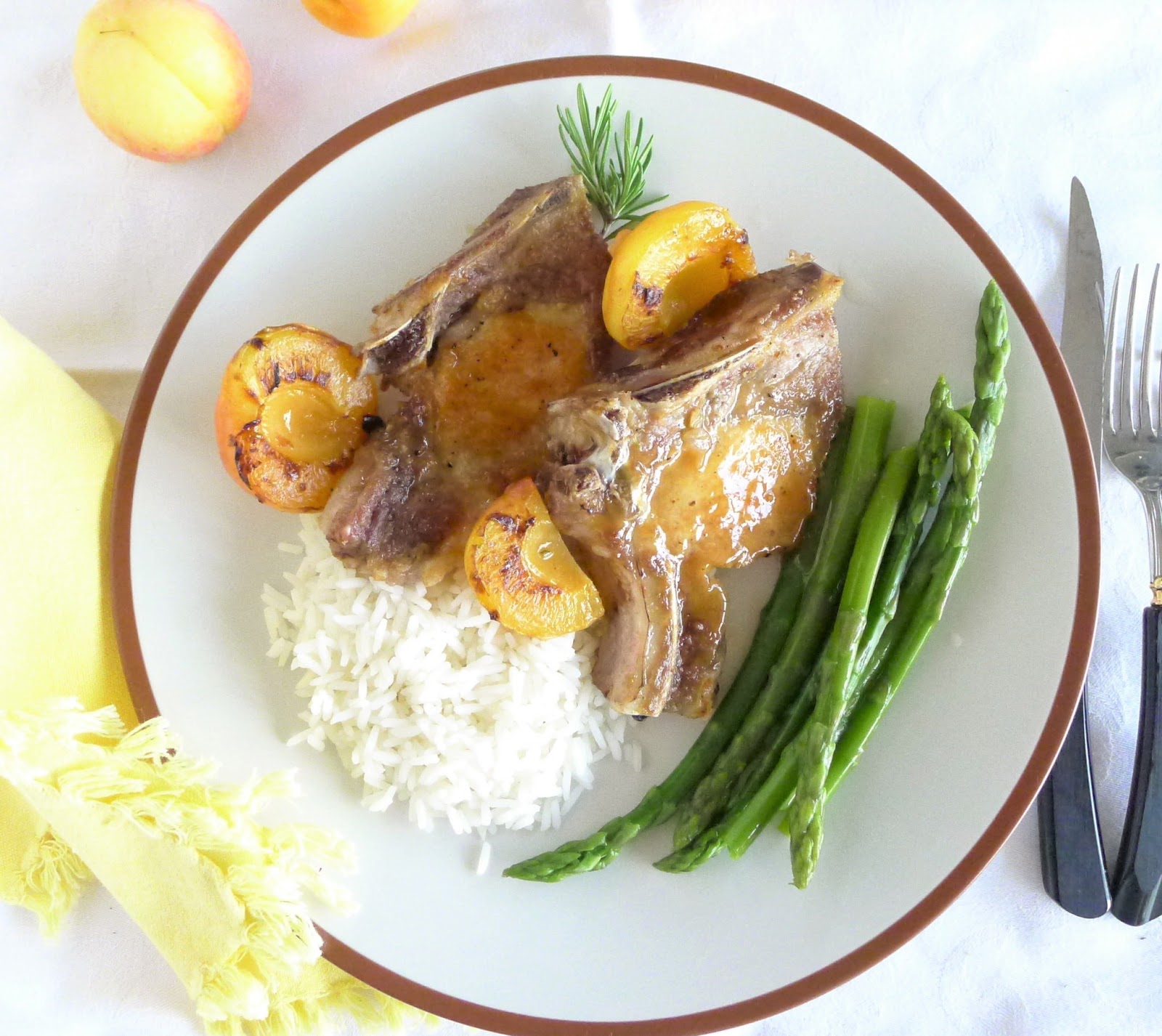
Sherry vinegar adds tang to sauce for pork chops with apricots.

Vinegar tips:
  • For flakier pie crust, add a teaspoon of vinegar to the pastry dough.
  • To enhance the sweetness of strawberries: macerate sliced berries with sugar and a spoonful of vinegar.
  • Add a few drops of vinegar to meringue to stabilize it.
  • Use vinegar to de-glaze a pan after sautéing and you create "instant" sauce. Chicken breast, liver, fish, steak, all taste better with a shot of vinegar. This is a good way to use herb or fruit vinegar too.
  • Use vinegar when food needs a flavor boost, such as in salt-free cookery.
  • Add six tablespoons of vinegar to water when making fish stock or chicken broth. Vinegar enhances the stock's flavor.
  • Use a few drops of vinegar in rinse water to get sparkling glassware.

 Chile Vinegar

This recipe was given to me by the late Don Mauricio González Gordon, Marques of Bonanza, who headed the Sherry house Gonzalez Byass (makers of Tio Pepe). One good way to use chile vinegar, Don Mauricio told me, is to add it to lentil stew right before serving.

Pack a small flask with chile peppers, stems removed. Add Sherry vinegar to fill the flask. Stopper tightly. Let set at least one week. Use as required, topping up the bottle with vinegar as needed. 

Pork Chops With Apricot-Vinegar Sauce

Fruit balances vinegar's tang in this savory sauce for pork chops.

In olden times, when vinegar was an essential preservative, the sourness of vinegary foods was balanced with sweet fruit and honey. Thus, sweet and sour tastes have long been part of traditional cooking. 

Ibérico pork chops, marbled with fat.
I used ibérico pork chops for this recipe. Marbled with fat, they are exceptionally juicy.

    4 thick-cut loin pork chops
    Salt and pepper
    1 tablespoon olive oil
    4-6 firm-ripe apricots, halved
    2 tablespoons minced onion
    1 clove minced garlic
    ¼ cup apricot jam
    1/3 cup Sherry or Pedro Ximenez vinegar
    1/3 cup water
    Sprig rosemary or thyme


Sprinkle the chops with salt and pepper and allow to stand 30 minutes.

Heat the oil in a skillet and sear the apricots, cut-side down, about 1 minute. Turn and sear reverse side. Remove them and set aside.

Simmer chops with apricots and vinegar.
Sear the pork chops on both sides and remove. Pour off all but 1 tablespoon of fat.  Add the minced onion and garlic to the pan and sauté until softened and beginning to brown, 4 to 5 minutes. Add the apricot jam, vinegar, water, salt and pepper, rosemary or thyme. Stir to combine.

Return the pork chops and apricots to the pan and cook until pork is cooked, turning them once, about 5 minutes, depending on thickness.

Tender pork with a sweet and sour sauce.

Vinaigrette
Vinagreta

Mix vinaigrette in a jar--easy to shake it up. Use best extra virgin olive oil and Sherry vinegar.

Vinaigrette sauce is a marvelous addition to many dishes. For instance: spoon it over grilled fish immediately before serving. Combine it with green beans, artichokes, asparagus, cabbage, boiled potatoes, beets, cooked leeks. Toss with cooked prawns and sliced avocado. Add to cooked and drained beans or lentils for instant seasoning. Stir into hot pasta and add grated cheese. Use vinaigrette for both marinade and basting sauce for foods on the grill.

Additions to the basic vinaigrette: fresh herbs (parsley, chives, tarragon, dill, basil, etc.), chopped hard-cooked eggs, cumin or caraway seeds, chopped scallions, pimentón (paprika), minced anchovies, blue cheese, toasted sunflower seeds.

Makes about 1 cup vinaigrette.

    4 tablespoons Sherry vinegar
    1 teaspoon Dijon or whole-grain mustard
    1 teaspoon salt
    Freshly ground black pepper
    1 clove crushed garlic (optional)
    2/3 cup extra virgin olive oil
    Herbs, as desired


In a clean jar stir together the vinegar, mustard, salt, pepper and garlic, if using. Whisk in the olive oil. Cover with lid. Keeps in a cool place for several days.

Shake the jar well before using the dressing.

Cauliflower Vinaigrette
Coliflor a la Vinagreta

Cauliflower marinates in a tangy vinaigrette.

Vinaigrette makes a tasty dressing for cooked vegetables. Those such as cauliflower and roasted eggplant can be marinated for hours. However, don’t add vinaigrette to green vegetables such as beans or broccoli until immediately before serving, as the vinegar leaches out the bright green color.

Serve the cauliflower as a side dish (great with foods from the grill) or toss it with salad greens.

4 cups cauliflower flowerettes (about 1 pound)
2 teaspoons wine vinegar
1 teaspoon salt
¼ cup vinaigrette (recipe above)
2 tablespoons chopped chives
1 tablespoon chopped parsley
1 tablespoon roasted pumpkin seeds
Smoked pimentón (paprika)
Salad greens to serve


Bring a pan of water to a boil with vinegar and salt. Add the cauliflower and cook to desired doneness, crisp-tender takes about 6 minutes. Drain and refresh with cold water. Drain well.

Place the cauliflower in a bowl and add the vinaigrette. Combine well. Allow to marinate at least 30 minutes or up to 24 hours. Add the chives, parsley and pumpkin seeds. Sprinkle with pimentón and serve with salad greens.

Marinated cauliflower makes a good side dish.

For more recipes with vinegar, see the following posts:
Escabeche http://mykitcheninspain.blogspot.com.es/2012/03/escabeche-tangy-marinade-for-cooked.html 


Apricots are in season! They inspired the recipe for pork chops.