Showing posts with label wild asparagus. Show all posts

Saturday, November 15, 2025

LETTUCE HEARTS ARE A THING

 
Wedges of lettuce hearts are dressed with fried asparagus, garlic, and ham. 

I was putting the finishing touches on dinner when Ben, returning from a sunset hike up the mountain, presented me with a bunch of freshly-picked wild asparagus. Autumn rains have brought forth this forager’s delight. 


I sat down to watch the news headlines before dinner. From the kitchen I heard some sizzling and sniffed the mouth-watering smell of frying garlic. In minutes Ben had turned the spindly stalks of asparagus into a gourmet delight, frying them with garlic and ham and spooning it over lettuce hearts. What a terrific starter.

Cogollos are lettuce hearts.
Lettuce hearts with fried garlic are a thing, appearing on restaurant menus everywhere. The most famous variety, from Tudela, Navarra, is a dwarf romaine lettuce that forms a compact head. Other varieties of lettuce such as Little Gem, a miniature Cos, are also sold as cogollos, hearts. (Cogollo actually means “core.” The beating heart of a living being is a “corazon,” not cogollo.)

Adding chopped wild asparagus with its subtle bitterness is inspired. If wild asparagus is not available, use regular green asparagus, cut lengthwise, then chopped. If Spanish ham is not available, substitute diced bacon or panceta. Ben used a balsamic-style vinegar with honey; Sherry vinegar is fine.

The following day I repeated Ben’s salad of lettuce hearts with sizzled garlic and asparagus and added to it a poached egg. Served with crusty bread, that was lunch.

Frying chopped asparagus, garlic, and ham crisps them slightly.

Lettuce hearts with fried asparagus and garlic dressing makes a terrific starter.


Served with a poached egg and crusty bread, the salad is lunch. Use a knife and fork to mix the egg with the lettuce and dressing.

Lettuce Hearts with Sizzled Garlic and Asparagus Dressing
Cogollos al Ajillo con Esparragos Trigueros

Cut small lettuce hearts in half, larger ones in quarters or thirds. If using full-size romaine hearts, instead of presenting in wedges, cut them into thick crosswise slices.


Serves 2.

2-4 lettuce hearts
1 avocado, sliced
Salt flakes
2 teaspoons vinegar, divided
¼ cup extra virgin olive oil + more for drizzling
2-3 ounces wild asparagus (approx. ½ cup chopped)
1-2 cloves garlic, sliced
Minced chile or red pepper flakes, to taste
½ ounce diced serrano or ibérico ham
½ teaspoon table salt
1 poached egg per person (optional)
Crusty bread to serve

Wash and dry the lettuce hearts. Cut them into wedges and divide between 2 salad plates. Arrange the sliced avocado around the hearts. Sprinkle each serving with flaky salt, ½ teaspoon vinegar, and drizzle with oil.

Dressing of fried asparagus.

Heat ¼ cup of oil in a skillet. Chop the asparagus into ½-inch pieces and fry in the oil 1 minute. Add the sliced garlic and chile and fry until the garlic begins to turn golden, 1 minute. Add the diced ham and fry 1 minute more. Remove the pan from the heat. Add the salt and 1 teaspoon of vinegar. 

Spoon the asparagus, garlic, ham, and oil dressing over the lettuce and avocados. Sprinkle with additional flaky salt and drizzle with more oil. 

If desired, place a poached egg in the center of each salad. Serve with crusty bread.

More recipes with wild asparagus;


***   ***   ***
FLAVORS OF AL-ANDALUS 
The Culinary Legacy of Spain

 Ask for Flavors of al-Andalus from your favorite bookseller or click below to order. 

This cookbook explores the fascinating story of the deep and lasting influences that Islamic culture has left on modern Spanish cooking. 
Author and Spanish cooking expert Janet Mendel tells the story of the Moorish influence on Spanish cooking through 120 recipes and photographs for modern-day dishes, from salads and vegetables to fish, poultry and meat to sweets and pastries, that trace their heritage to foods served in medieval times. Dishes from this era include exotic spices such as saffron, the use of fruits and almonds with savory dishes, and honeyed sweets and pastries. The flavors of al-Andalus live on in modern Spanish cooking and are what makes Spain’s cuisine distinctive from the rest of Europe. (Hippocrene Books)    


 Order on IndiePubs

Use PROMO CODE HIPPOCRENE40 for 40% off on all Hippocrene titles at IndiePubs online bookstore.

***

Order on amazon


***   ***   *** 

Saturday, May 14, 2022

COOKING THE WILD ASPARAGUS

Springtime in the Andalusian countryside. (Photo by Ben Searl.)

 
Stalker of the wild asparagus. (Photo by Ben Searl)


Ben returned from a hike with a bunch of wild asparagus, foraged from hillsides abloom with wildflowers. 


Wild asparagus—sometimes called esparragos trigueros, because it often grows on the verges of wheat fields—makes spindly stalks that pop up in the spring in sunny spaces, often beside irrigation ditches or near stream beds. Hidden amongst taller weeds, the stalks can sometimes be spotted by the yellowing, ferny foliage from the previous year. 

Wild asparagus can be tender or fibrous, sweet or bitter. It seems to depend on how mature the stalks are—as the tips begin to open, the stalks become more fibrous; how cool and damp the weather is, and the length of time from cutting to eating. Since any bunch of foraged asparagus is likely to range from one extreme to the other, I usually blanch all the spears before proceeding to cook them.

In Andalusia, the favorite way to prepare wild asparagus is in a tortilla or revuelto, scrambled with eggs, sometimes with the addition of a little chopped serrano ham. The asparagus also is cooked in a sauce made with a maja’o, or majado, a “mash” of bread, garlic and spices crushed in the mortar. The recipe, called “esparragado,” or “asparagussed,” is used for other vegetables, such as chard, wild thistle stems (tagarninas), cardoons, or wild silene leaves (collejas). It often is finished with eggs—fried or poached—on top of the vegetables. While usually vegetarian, the dish can be embellished with bits of ham or chorizo. 

My Esparragado includes wild and cultivated asparagus, small artichokes and sugar snaps from my garden, shelled peas and potatoes. With eggs cooked in the cazuela, it becomes a main dish. 

Asparagus and other vegetables are sautéed first, then cooked in a sauce. Eggs poached in the casserole finish the dish.


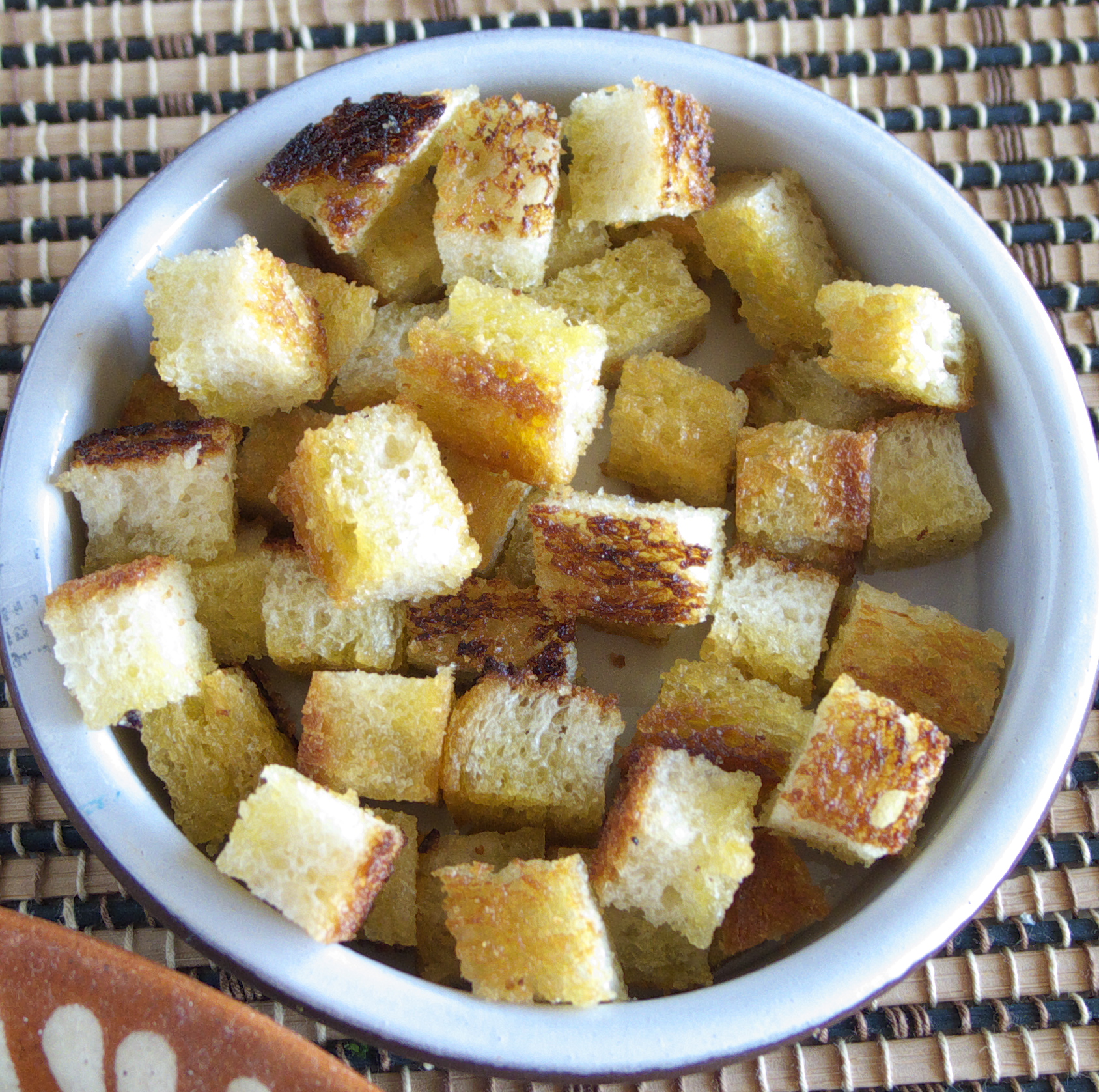
With an egg on top, the vegetables make a main dish. Croutons of fried bread add crunch.

I've used both skinny wild and thicker cultivated asparagus in this dish.


Asparagus Casserole with Spring Vegetables 
Cazuela de Esparragos Esparragados

For the cooking liquid, use chicken or vegetable stock or simply water. Use either smoked or regular pimentón (paprika). Chopped serrano ham, panceta or bacon is a nice addition. Omit it for a vegetarian version. 

You can finish the casserole with one egg per person or use fewer eggs and mix them into the vegetables before serving. Croutons of fried bread add crunch to the vegetable melange.


I’ve got a few small (tiny) artichokes from the garden, so I’m cooking them whole. If using medium or large artichokes, cut them into quarters or smaller segments. Snap off several layers of outer leaves, scoop out the fuzzy chokes and drop the artichokes right into the oil in the cazuela. No need to put them in lemon water.


20 ounces asparagus (3 cups cut up)
4 tablespoons olive oil
2 slices bread, crusts removed
3 cloves garlic, peeled
1 cup chopped onion 
2 ounces chopped pancetta, ham or bacon (optional)
1 teaspoon pimentón (paprika)
½ teaspoon cumin
1-2 tablespoons white wine vinegar
2 medium artichokes, quartered
2 medium potatoes
Salt
Freshly ground black pepper
2 cups stock or water
1 cup shelled peas, sugar snap peas or fava beans
4 eggs
Chopped parsley


Wild asparagus.

Snap off and discard the butt-ends of the asparagus. Cut the stalks into 1-inch pieces. If using wild asparagus, which sometimes is fairly bitter, blanch it in boiling salted water for 2 minutes and drain.

Heat 3 tablespoons of oil in a cazuela or deep skillet. Fry the slices of bread and garlic until they are golden. Remove them and reserve. 

Add the remaining 1 tablespoon of oil to the pan. Sauté the onions and pancetta, if using, until onion is softened, 5 minutes. Stir in the cut-up asparagus and fry for 2 minutes. Stir in the pimentón and cumin. Add the vinegar and cook 1 minute. Add the artichokes and potatoes, peeled and cut into small pieces. Season with salt and pepper. Add 1 ½ cups of the stock or water. Bring to a boil, reduce the heat and cook, covered, until asparagus is tender, 15 minutes.

Break up one slice of fried bread into a blender with the fried garlic. Add the remaining ½ cup of the stock or water and blend to make a smooth paste. Stir the paste into the pan with the vegetables. Add the peas. Bring to a boil, reduce heat and cook, covered, stirring frequently, until sauce is thickened and vegetables are cooked.

Break eggs into a small bowl, one by one, and slide them into the pan. Cover and simmer until whites are set but yolks still runny.

Croutons of fried bread.
Cut the remaining slice of fried bread into cubes. Scatter them on top of the vegetables or serve alongside. Garnish the cazuela with chopped parsley.


More about asparagus: