Saturday, August 27, 2022

A FIG FOR EVERY SEASON


Dead-ripe figs are squishy but extraordinarily sweet.

Fruits have their seasons. Oranges in the winter; strawberries in spring; peaches, melons and grapes that ripen in full summer, and, looking ahead, pomegranates, persimmons and pears for fall. But the fruit that spans all seasons is the fig.


The breva, an early fig, arrives in late spring. By late summer, the main crop of figs ripens, giving us fruit of incredible sweetness. Ripe figs are soft-skinned, very perishable. Unless, of course, they are carefully dried and stored for enjoying into fall and winter. Dried figs are like an entirely different fruit.

I was given an enormous basket of dead-ripe summer figs. Some we ate fresh and in salads, with or without peeling. The rest, I washed, dried, removed stems, discarding any that were totally mushy, and packed in freezer bags. I will use the frozen figs for making ice cream (actually, frozen yogurt), a dessert that needs no added sugar. 

Fig Ice Cream  Helado de Higos

I make some version of this frozen dessert year-round, changing the fruit with the seasons. With some fruits, I need to add edulcorante, artificial sweetener (I use liquid stevia). But figs are so sweet, no additional sweetener is needed.

I use non-fat yogurt and queso batido, a beaten cottage cheese or non-fat sour cream, plus a small quantity of mascarpone to add a little richness. (If non-fat is not your thing, use real cream instead of the yogurt.) Use an ice cream freezer if you have one. Otherwise, freeze the fig cream until partially frozen. Whip it again with blender or processor and return to the freezer.  

Once frozen, the ice cream needs to be softened before it's ready to serve. I like to freeze the cream in small cups, so I can take out only as many as are needed, rather than thaw the whole bowl.

Makes 8 (½ -cup) servings.

1 ½ - 2 cups chopped fresh figs
Lemon juice
1 ½ cups plain non-fat yogurt
1 ½ cups plain non-fat queso batido
½ cup mascarpone or full-fat Greek yogurt
Vanilla extract or grated ginger

Place figs in large blender or food processor with lemon juice, yogurt, queso batido, mascarpone and vanilla or ginger. Blend until very smooth. Pour into a metal container and freeze. When the mixture is the consistency of soft-freeze, remove and beat it again until smooth. 


Divide the ice cream between 8 small cups. Place them on a tray and return to the freezer. 

Allow the ice cream to soften 15 to 20 minutes before serving. 

More recipes with fresh figs:


Fig Salsa Salsa Picante de Higos


Substitute fresh figs for tomatillos or tomatoes in your favorite salsa recipe. Add chile to taste. I've used chopped mint instead of cilantro for a fresh taste and plenty of lemon juice. The salsa is terrific with lamb chops on the grill. Recipe is here.


Fig and Goat Cheese Flatbread
Coca con Higos y Queso de Cabra

Coca is a flatbread with toppings, sort of a cross between pizza and focaccia. The coca (plural is coques in Catalan or cocas in Spanish) is made from bread dough. Use any favorite pizza dough. The recipe is here.

Figgy Fritters   Buñuelos de Higos Frescos


Firm, ripe figs are dipped in a fritter batter and fried in olive oil. Here they are served with ice cream. See the recipe for Figgy Fritters.


Grilled Figs and Bacon
Higos con Bacón a la Parilla

These are unbelievably delicious, perfect for a late summer grill meal. They are a version of "devils on horseback," made with fresh figs instead of dates. Stuff them with fresh goat cheese, wrap them in bacon and grill. Directions are here.


Figs with Serrano Ham  
Higos con Jamón Serrano

The easiest dish of all, sweet figs paired with salty serrano (or ibérico) ham. The figs pictured are brevas, the early figs (May-June) that aren't as ruby-red as the late summer ones. (Brevas are pictured below.)


Grilled Chicken and Fig Salad
Ensalada de Pollo con Higos

This main course salad can be made with any fresh figs, early brevas or late summer ones. The dressing is Ajoblanco Sauce, a thick version of white gazpacho, with ground almonds and garlic. The recipes are here.


Salad of grilled chicken with quartered figs and ajoblanco sauce. 


Hot Gazpacho with Figs
Gazpacho Caliente con Higos


Are you tired of summertime gazpacho yet? Here's an end-of-summer version, a cooked tomato gazpacho, that in village homes is served topped with sliced ripe figs. Get the recipe here.


I had intended to continue on with recipes made with dried figs. But, I will save them for a winter post. 

These are a quarter of the super-sweet figs we've been eating. Purple-black-green with ruby-red flesh. I do not know what variety they are. I've got lots in the freezer.


Saturday, August 20, 2022

BEANS WITH A VIEW

Green beans block the sea view from the terrace.

In the spring, just after we set out tomato plants and saw the bean seeds starting to poke up through the soil, a marauding tribe of wild boar dug up the huertas. First rage, then disagreement (Ben: get a dog! Me: put up a fence!), and, finally, resignation. I have abandoned the huertas after years of cultivating my summer “gazpacho garden” and winter “soup garden.” 


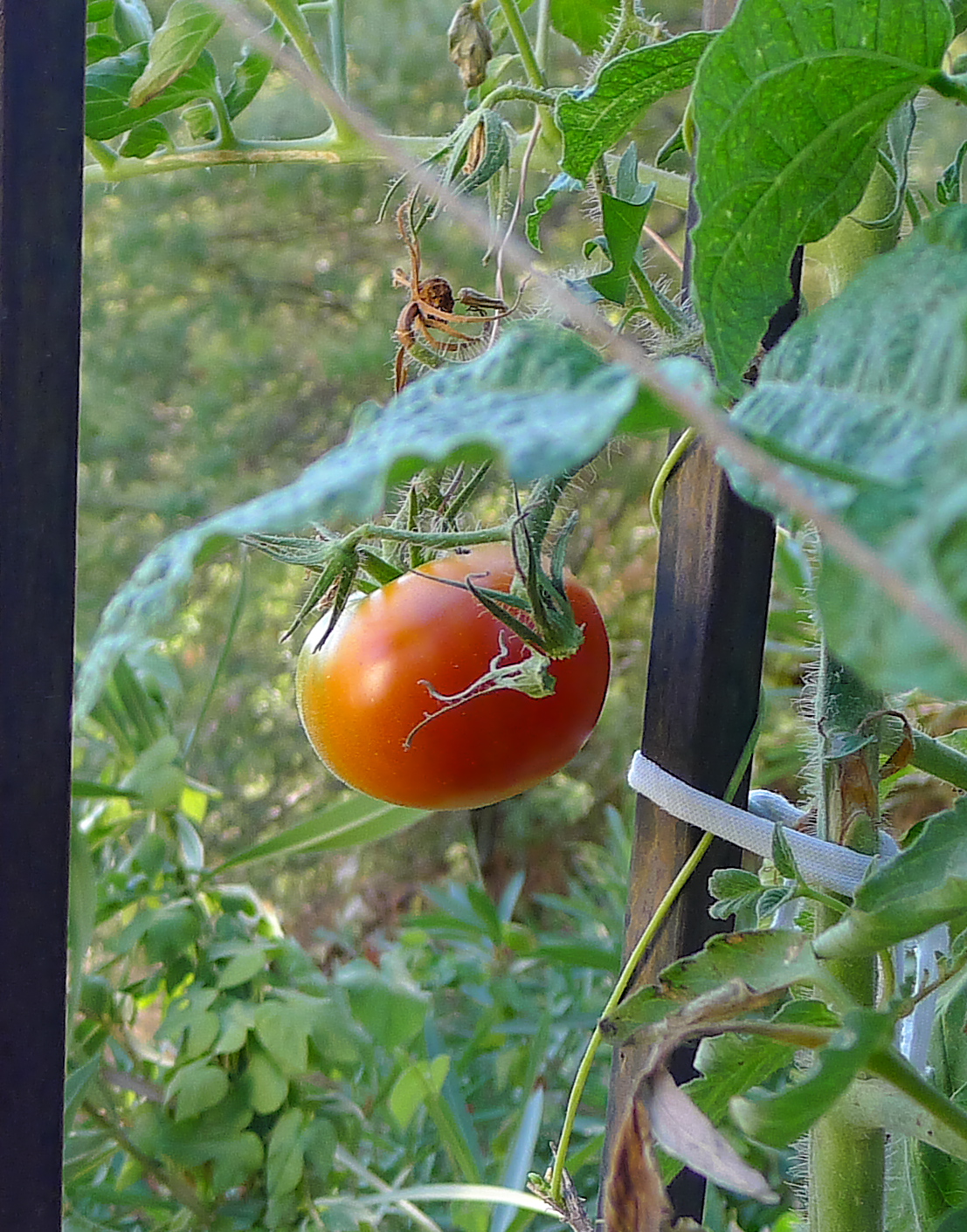
Ben set up a row of huge pots on the walled-in terrace and filled them with enriched soil. We planted beans and tomatoes in them. The pole beans along the railing almost block the view. The handful of beans I pick is just enough to add to my lunch salad. The few tomatoes, of exquisite flavor—an unknown variety that I propagated from seed—we eat one by one, unadorned. 

In the market, beans and tomatoes are at their peak right now, so I’m buying lots to make up for what I can’t grow. The most common variety of bean is a wide, flat bean, somewhat like the Romano bean. 

Remove strings.

The flat beans are really good cooked crisp-tender (4 minutes in boiling water) or, in the old-fashioned way, braised until very soft. Late in the season these beans tend to be more fibrous, so I might use a vegetable peeler to strip the stringy edges away. 

This is one of those old-fashioned recipes that I learned from pueblo housewives. The proportions of beans and tomatoes can be freely varied. The tomatoes can be chopped, grated or pureed. I’ve watched home cooks chunk the tomatoes, skins and all, right into the pot. I prefer to peel them first.
   
This is a vegetarian dish that can be embellished with chorizo, if desired. A little chorizo adds a lot of flavor. If not using it, add a spoonful of smoked pimentón. The dish, typically, would be served as a primer plato, first course, a summer stand-in for soup or legume stew for a family meal. It should be a little soupy, saucy enough to eat with a spoon. Serve it hot, room temperature or cold. Garnish with fresh herbs—parsley, basil or mint, for instance. Add quartered hard-boiled egg, if desired. Call it lunch. 

Green beans finish cooking in the saucy mixture of tomatoes, potatoes and chorizo.


A summer lunch, served warm or cold--beans, potatoes, tomatoes, chorizo or not.


Partially cooking the beans before adding to the sauce helps to preserve their color.

Green Beans with Tomatoes
Judías Verdes con Tomate

For vegetarian, omit the chorizo.

Serves 4 to 6.

6 medium tomatoes (1 ¼ pounds)
1 ¼ pounds green beans
Salt
¼ cup olive oil
4 ounces chorizo, sliced (optional)
1 cup chopped onion
2 cloves garlic, chopped
2 medium potatoes (12 ounces)
¼ teaspoon cumin
¼ teaspoon oregano
1 teaspoon pimentón (paprika) (optional)
Freshly ground black pepper

With the tip of a knife, cut an X in the blossom end of the tomatoes. Either blanch them in boiling water for 1 minute OR microwave on High for 2 minutes, turn the tomatoes and microwave 2 minutes more until skins start to loosen. When the tomatoes are cool enough to handle, peel, core and chop them, saving all the juice. (Makes about 1 ½ cups tomato pulp and juice.)

Beans after blanching are bright green.

Top and tail the beans and, if necessary, remove strings. Cut them in pieces. Cook the beans in boiling salted water until they are crisp-tender, 3 to 5 minutes. Drain the beans saving ½ cup of the cooking water. Refresh the beans with cold water. 

Heat the oil in a large pan and brown the sliced chorizo, if using, on both sides. Remove it. Add the onions and garlic and sauté on moderate heat until softened, 4 minutes. Peel the potatoes and cut and snap them into bite-size pieces. Add the potatoes to the pan with the cumin and oregano. If not using chorizo, stir in the pimentón, Add pepper and ½ teaspoon salt. Add the cut-up tomatoes and their juice. Add the ½ cup  reserved bean cooking water. Cover the pan and cook, stirring occasionally, until the potatoes are tender, 15 to 20 minutes.

Return the chorizo and beans to the pan. Cook 10 minutes more.  The beans should be saucy. If necessary, add additional liquid. Allow the beans to set 10 minutes before serving. 

Tomatoes share pots on the terrace with pole beans, are lashed to the railing. These tomatoes, of unknown variety, are exceptionally tasty. Too few to use in cooking.

More ways to enjoy summer's green beans:


Saturday, August 13, 2022

SWEET ON TOMATOES

Luscious tomato jam, a sweet way to use summer's tomatoes.

 When I began collecting Spanish recipes, besides jotting down notes on visits to neighbors’ kitchens, I borrowed their hand-written recipe collections and copied them to my notebooks. Some were sketchy directions, written with many misspellings, passed down from a madre or tía-abuela (great-aunt). Others were transcribed from notebooks put out by the Sección Femenina, the women’s section of the Falange party. (This was 1966, under the Franco dictatorship.)


Amongst those recipes was one for mermelada  de tomates, tomato jam. Revelling in a glut of locally-grown tomatoes, I needed to stretch beyond gazpacho and sofrito, so, outlandish as it seemed to me at the time, I made tomato jam.

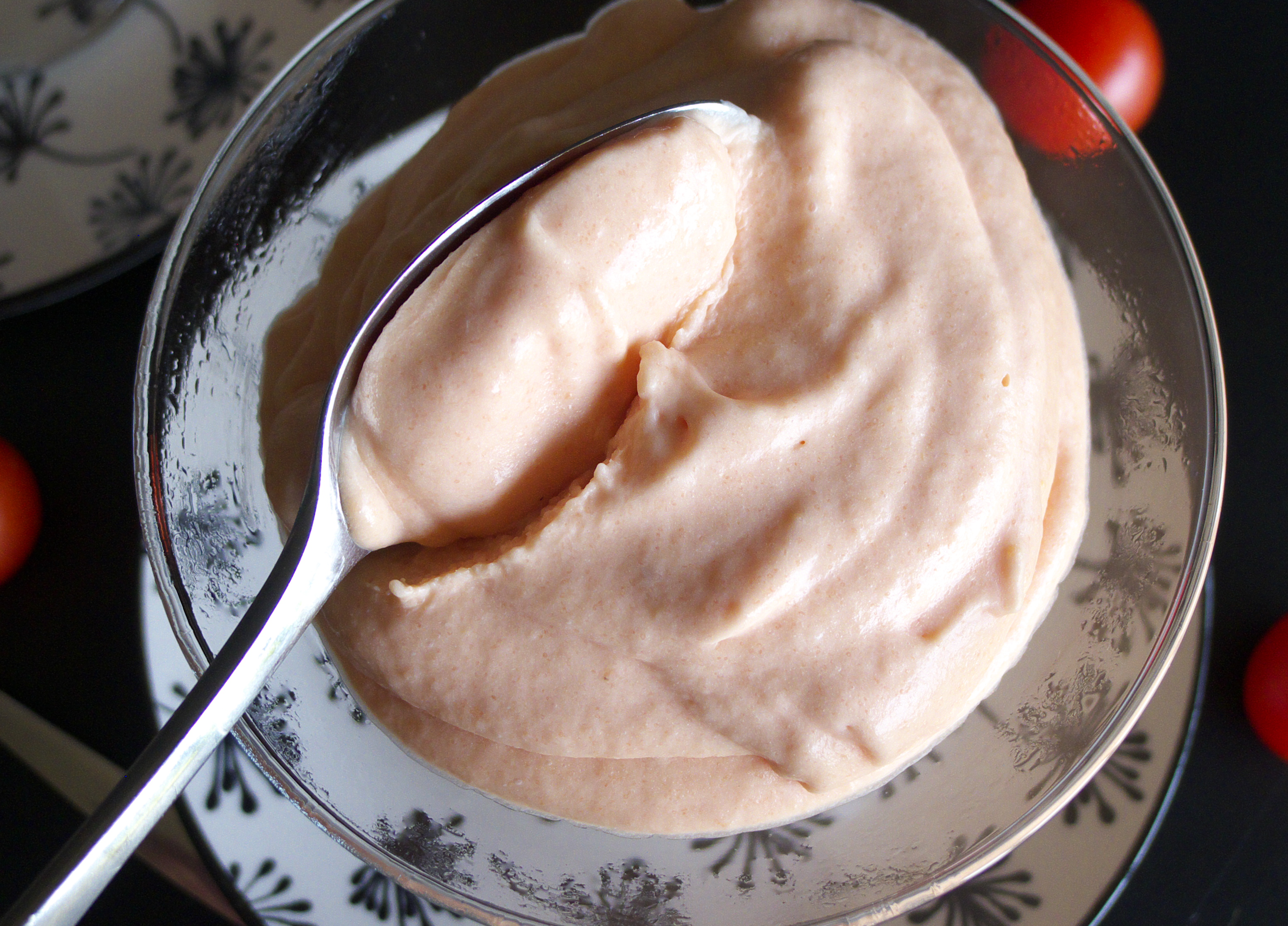
The original tomato jam recipe called for tomatoes, sugar, cinnamon and cloves. I made it several times and enjoyed it on breakfast toast. I later changed the spicing—cardamom or ginger, basil or mint. Then I added cream and froze the mixture, creating an ice cream so mysterious that my guests couldn't identify it.

Tomato jam is a good accompaniment to a cheese board. Here it's served with Brie, a smoked sheep's milk cheese and cream cheese.


Add cream and turn the jam into ice cream. Your guests might not guess the flavor.


Interesting combo: sweet tomato ice cream and a garnish of salty serrano ham.

Tomato Jam
Mermelada de Tomate

This is not a true preserve, which requires processing in a boiling water bath. Keep it refrigerated and use within four weeks.

Use a blender or food processor to puree the seeded tomatoes to desired consistency—completely smooth or, my preference, with some lumps of tomato for texture.


Serve the jam on toast that has been “buttered” with olive oil. Serve it as an accompaniment to a cheese board, with muffins or plain cake, spooned over fresh fruit or alongside ham croquettes.

Pictured, toast with olive oil, spread with tomato jam and topped with cream cheese and seed crackers with Brie cheese and a dollop of tomato jam.


Blanch and skin tomates.


Makes about 2 ½ cups.

4 pounds ripe tomatoes (14-15 tomatoes)
¼ teaspoon ground cardamom
2 cups sugar
1/8 teaspoon salt
2 tablespoons lemon juice

Bring a pot of water to a boil. Cut an X in the blossom end of the tomatoes. Add them to the boiling water just until the skins begin to loosen, about 1 minute. Drain and refresh with cold water. 

Separate seeds.

When the tomatoes are cool enough to handle, slip off the skins and cut out the stem and hard core. Cut the tomatoes in half and scoop the gelatinous seed cells into a strainer placed over a bowl. Place the seeded tomatoes in a large bowl. Press on the seeds to extract as much of the juice as possible. Pour the juice in with the tomatoes. Discard the seeds. 

With a blender or food processor, puree the tomatoes to desired consistency. Place the puree in a heavy pan and add the cardamom, sugar, salt and lemon juice. 

Place the pan on moderate-high heat, stirring, until the mixture begins to bubble. Lower heat so the tomatoes don’t splatter. Cook, stirring occasionally, until the tomatoes are thick, about 45 minutes. As the mixture thickens, stir frequently to prevent the jam from scorching on the bottom. 

Remove from heat and ladle into clean jars. Store the jam refrigerated.


Tomato Ice Cream
Helado de Tomates

I made the ice cream using the tomato jam as described above and decided it was much too sweet. Rather than increase the quantity of cream, I decided it was better to make the jam--or sweetened tomato puree--with less sugar.

Make the tomato jam, as described above, REDUCING THE SUGAR TO 1 CUP.

If desired, the soft-set ice cream can be spooned into individual dessert cups to freeze. You will need freezer space for the cups. 

I garnished the tomato ice cream cups with mint sprigs, but basil or tarragon would be good also. 

Serves 6.

2 cups tomato jam (reduced sugar)
1 teaspoon vanilla extract
2 tablespoons medium Sherry
3 cups heavy cream
Mint, to garnish


Beat together the jam, vanilla, Sherry and cream. Freeze the mixture in an ice cream maker or in a metal container in the freezer. If freezer-frozen, remove when soft-set and beat it with an immersion blender until creamy and smooth. Return the cream to the freezer to harden.

The cream needs to soften a few minutes before serving. Garnish with mint sprigs.


Tomato ice cream poolside. (Photo by Marina Caviese.)

More tomato recipes: Fifty Ways to Use Your Tomatoes.